MBRCGI Websites
|
Ibtekr.org
|
MBRCGI.gov.ae
|
UAE Innovates
|
Edge of Government
|
Pitch@Gov
Generic selectors
Exact matches only
Search in title
Search in content
Post Type Selectors

Zero-Emission Delivery Zones in California

4 minute read
Los Angeles is one of the most congested areas in the world, thus ranking as the most polluted region in the United States.
Share this content

Los Angeles is one of the most congested areas in the world, thus ranking as the most polluted region in the United States. This situation was exacerbated by the tripled demand for e-commerce delivery via fuel-powered trucks, thus increasing both congestion and pollution.

For these reasons, the Los Angeles Cleantech Incubator (LACI) (founded by the municipality of Los Angeles and the Los Angeles Department of Water and Power) and other entities are looking to revolutionize the transportation and mobility sector in the city. One radical step was the establishment of the Transportation Electrification Partnership (TEP). To achieve its ambitious goals, TEP published Roadmap 2.0 in November 2019, which outlines ways to reduce greenhouse gas emissions and air pollution in Los Angeles by 25% by 2028. In particular, the roadmap requires 60% of medium-duty delivery trucks in the city to be electric by 2028.

This goal aligns with other targets set by Los Angeles for medium-duty trucks. The Los Angeles municipality, for example, has committed to creating a zero-emission zone covering people and goods movement by 2030, in collaboration with the global non-profit C40. Moreover, Los Angeles’s Green New Deal calls for delivery vehicles to be zero emission by 2035.

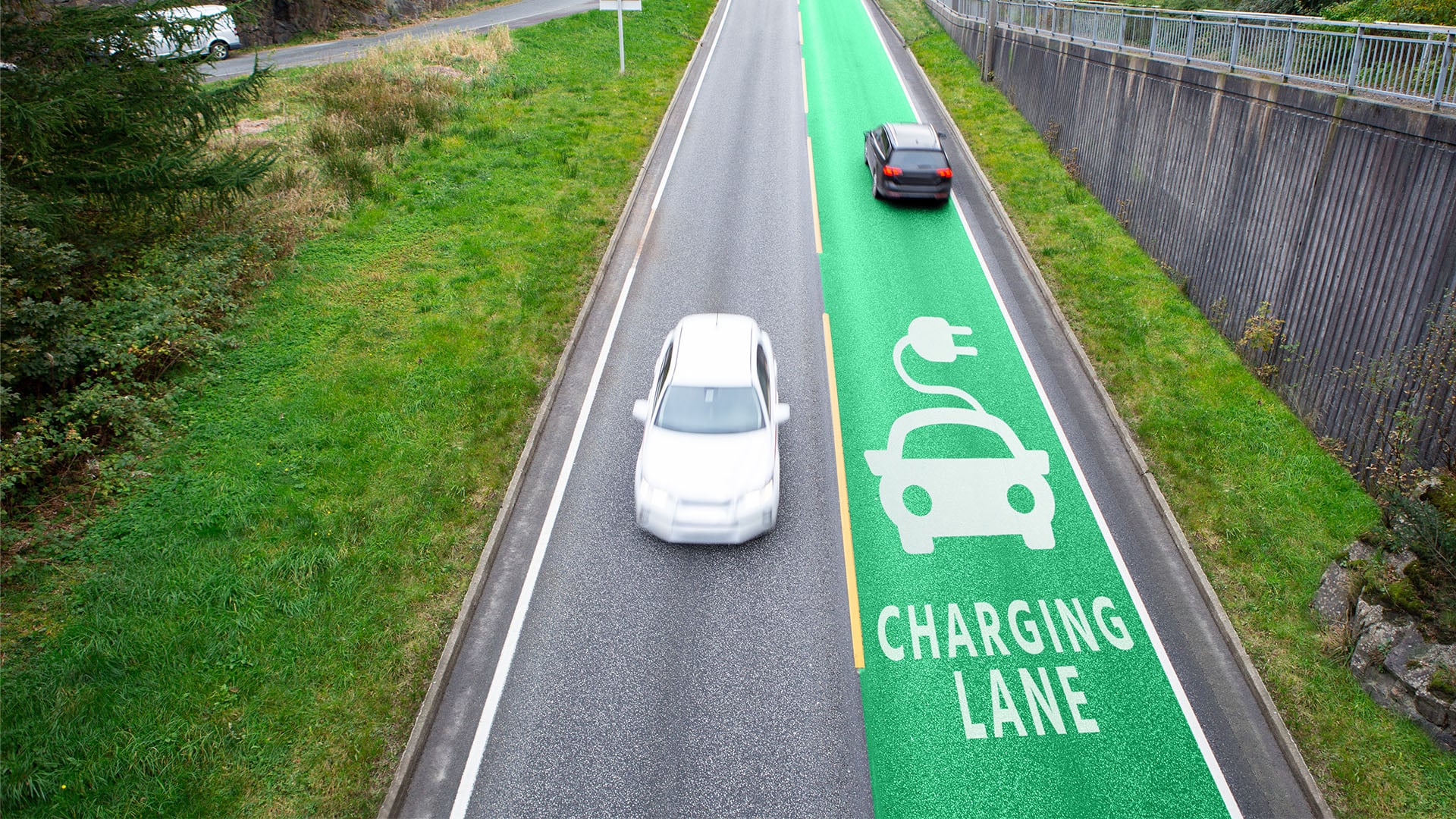
To achieve this, LACI cooperated with the municipality of Santa Monica to test the very first zero-emission delivery zone in the United States. This requires every good delivered in the region, from food to parcels, to be transported in a zero-emission vehicle, be it an electric delivery van, a hydrogen fuel cell truck, or an e-cargo bike.

A project of this magnitude would advance progress toward achieving TEP goals and significantly improve air quality in the region. It is anticipated that this would encourage Southern California cities and other regions of the country to establish zero-emission delivery zones and phase out medium-duty fuel-powered delivery trucks. Cities and entities will be able to develop advanced logistical and operational practices for passengers in terms of zero-emission delivery zones, such as eco-friendly cargo bikes, not to mention the benefits for communities in terms of air pollution, noise, and congestion. This partnership is supported by the Southern California Association of Governments, Urban Movement Labs affiliated with the municipality of Los Angeles, Southern California Edison, and LA Metro. 

Resources:

https://www.greenbiz.com/article/california-city-santa-monica-maps-first-us-zero-emission-delivery-zone https://laincubator.org/zedz-rfi/

Subscribe to Ibtekr to stay updated on the latest government initiatives, courses, tools and innovations
Register Now
Subscribe to Ibtekr’s Newsletter
Innovators’ Mailing List
Our newsletter reaches more than 30,000 innovators from around the world! Stay up to date with innovations from across fields of practice in the public sector.
Subscription Form (en)
More from Ibtekr

Palau Redefines Tourism: A Passport to Protect the Environment

In a pioneering move that integrates legislation, awareness campaigns, and incentive programs into a unified ethical travel experience, the Pacific island nation of Palau has implemented a globally unique initiative: all incoming visitors must sign an “environmental pledge” printed directly into their passports. The text, co-written by the country’s children, commits tourists to act with environmental and cultural responsibility during their stay.

 · · 11 May 2026

Power in Every Step: How Smart Pavements Are Redefining Walking in Cities

In a redefinition of how humans interact with their cities—and as a response to growing climate challenges and energy demands in smart urban environments, smart pavements equipped with kinetic energy-harvesting technologies are emerging as a sustainable and innovative solution. Using piezoelectric or nanomaterials, these surfaces capture the kinetic energy from pedestrians’ footsteps and convert it […]

 · · 11 May 2026

Remote Indian Villages Powered by “Pay-as-you-go” Innovation

In an effort to expand energy access across rural India, an innovative project has developed a flexible model for distributing electricity. The system relies on portable, rechargeable batteries that operate on a “pay-as-you-go” basis. Residents can charge these batteries at local solar- or wind-powered stations, then carry them home to power essential devices. The approach […]

 · · 11 May 2026

How a Small Park in New Jersey Became a Shield Against Flooding

In Hoboken, New Jersey, a city long vulnerable to rising waters, a playground has been reimagined as climate infrastructure. The project offers a forward-looking model of how urban design can both protect against extreme weather and serve as a space for recreation and environmental learning. Here, a swing set and basketball court sit atop a sophisticated system that captures and stores storm water—turning a once-flooded site into a resilient public space.

 · · 27 April 2026

When Citizens Write the Research Agenda: Australia’s Experiment in Tackling Wicked Problems

In an effort to empower citizens to identify the most pressing social issues—ranging from the cost of living to housing and healthcare—Flinders University in Australia has pioneered a uniquely democratic approach to policymaking. The project, built around a national survey of 30,000 people, transformed citizens from passive respondents into active partners in generating knowledge. It […]

 · · 27 April 2026
1 2 3 96
crossmenuchevron-down linkedin facebook pinterest youtube rss twitter instagram facebook-blank rss-blank linkedin-blank pinterest youtube twitter instagram