
The challenges posed by geographic realities to health services may be difficult to measure; This prompted the launch of 3 projects in the US states of Pennsylvania, Kansas and Montana to ensure the equitable distribution of the COVID-19 vaccine through modern technologies.
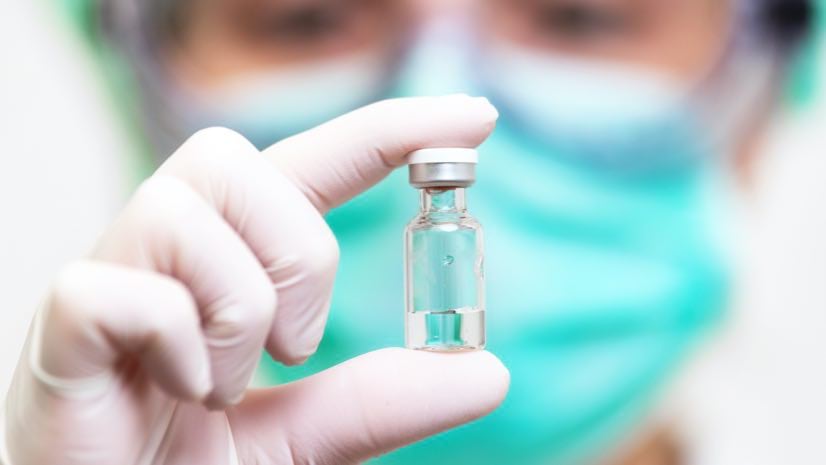
While the rapid development of various vaccines against the Corona virus is an exceptional achievement, The journey of vaccinating the entire world’s population is a complex process that requires governments to be fully prepared to complete it effectively, safely and fairly.
These efforts include the production, storage and distribution of vaccines, The latter has posed a major challenge in the United States of America, Given the number of infections, their societal diversity and their enormous area. After the approval of two vaccines, In the face of limited supplies, overcrowded hospitals and the absence of adequate medical staff, Local governments in the states had to think about the weaker communities. Building communication and trust with the public, ensuring equality and equity, Paint a clear picture of local needs.
Among the various plans and strategies, 3 pilot trials emerged in Pennsylvania, Kansas and Montana, Health authorities used geospatial techniques to collect information, map and analyze data.
In Pennsylvania, The health office received the first shipment of doses for Northampton County and began drawing up a distribution plan.
First thing The team needed to know how much citizens wanted to get vaccinated. Due to concerns about its effectiveness or complications, He put forward a community survey, Then enter his results into smart maps that turned them into visual data from which the health office deduced the number of doses that he will send to each vaccination center, He also divided these centers into internal and external, So that the latter are cars that roam the streets to vaccinate citizens. The plan took into account the determination of the capacity of each center to be able to organize the process of providing the vaccine. The team also used GIS to create continuously updated maps showing the numbers and locations of first and second dose recipients. In addition to the active centers, their locations and the number of doses available in each. Through these maps, The team follows up and coordinates the work, It also provides the public with the information they need through a special electronic platform.
In Montana, Where 69,000 citizens reside, The weekly allocation amounted to 975 doses, The authorities’ strategy focused on making transparent data-driven decisions. Lewis and Clark County Public Health teams carefully select fixed and mobile clinic sites and take into account the needs of local communities, including the degree of access to technology, The team also worked on building capacities, providing infrastructure, qualifying crews and providing citizens with accurate information on the performance level of each facility through a special website. Having collected data from the previously conducted United States Census, The team used the county zip code to estimate the percentage of the population vaccinated. Then drop this data onto interactive maps to get quick and accurate information and fill any gaps in disadvantaged groups for social or economic reasons. The Health Department was keen to monitor the number of vaccine recipients, and gather their impressions of the progress of the process, Follow up on their health condition and whether they experience complications or bothersome symptoms after receiving the dose.
In the Kansas experience, The GIS team at the Ministry of Health and Environment has set priorities, He created a comprehensive dashboard on which to base the mandate plan, They show the cases and locations of the test, Priority groups shall be identified, It develops different scenarios and their possible outcomes, Some population groups need double awareness efforts and special plans to deliver the vaccine. This applies, for example, to people with disabilities, those who lack housing or insurance, or those who are likely to refrain from receiving the vaccine. According to all these interrelated factors, The authorities have prioritized major health facilities and their teams to protect them from any potential risks. They are followed by workers in vital jobs such as emergency personnel, Then food packaging and distribution workers, Educational and administrative staff of schools and childcare centers. Once the second batch of doses arrives, The authorities plan to use additional facilities such as private provider centers, various worksites, specialty clinics, hospitals, health departments and retail stores.
Kansas authorities have faced challenges stemming from the demographic nature of the state, where 26% of the population lives in relatively remote rural areas. This threatens to destroy vaccines before they reach specialized centers, They need a lot of storage space at a temperature of about minus 70°C. Added to this are other factors such as parking, access to the most vulnerable populations, traffic and the capacity of health centres.
Therefore, The Ministry decided to pre-place doses in specific locations selected according to their readiness to administer the vaccine and redistribute it widely within the state, In addition to using geographic information systems to predetermine routes for timely vaccine delivery, This applies to rural and urban areas.
By putting forward different scenarios, the authorities have ensured that distribution strategies take into account as many variables as possible. It also took advantage of geospatial data to serve the population efficiently that will increase their demand for the vaccine.
In Pennsylvania, Health authorities have used these techniques to be a true picture of the scene and adopt an effective process. Mobile vaccination centres fill any gaps that may arise in the mission.
In Montana, The state was able to build trust with citizens and share with them its priorities and choices in distributing resources and drawing up a vaccination plan, The maps also provided a generous source for gathering information and making the most appropriate decisions.
generally It can be said that the three states have begun to pass the first step in their return to normal life.
References: