
The Swiss federal government established National Centres of Competence in Research (NCCRs) in 2001 to fund projects that carry out important, high-quality, and long-term research. NCCRs tackle topics of strategic importance to Switzerland since it is considered a center for research and innovation. Since being launched in 2001, these NCCRs have become important governmental instruments to fund basic research. NCCRs usually run for a maximum of twelve years and receive between four and five million Swiss francs a year in funding from the federal government. Moreover, NCCRs are funded by some of the universities participating in the research, in addition to third parties competitive funding and private-sector contributions.
The Swiss federal government has launched, since 2001, a total of 42 NCCRs over five funding series. The six new NCCRs represent the fifth series of the funding scheme and will begin operations in 2020.
Throughout Series 5, the new NCCRs seek to promote research and innovation in the areas of automation, antibiotic resistance, and quantum technology. Specifically, the NCCRs focus on the following topics:
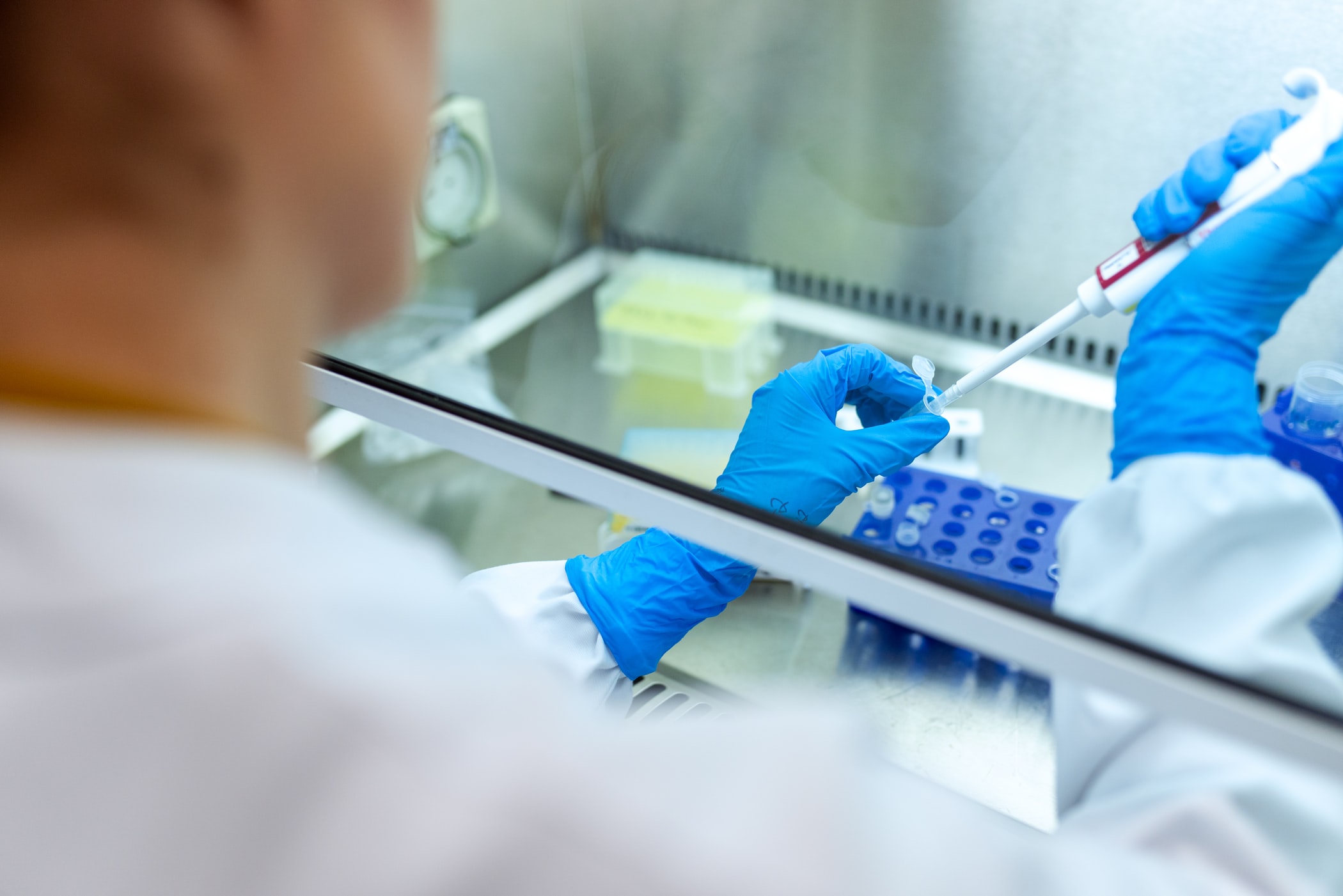
- NCCR AntiResist: Seeks to research and develop new methodologies to combat antibiotic-resistant bacteria. The results will help researchers develop new antibiotics more quickly and come up with innovative ways and mechanisms to achieve an antibacterial effect based on new drugs that can be developed.
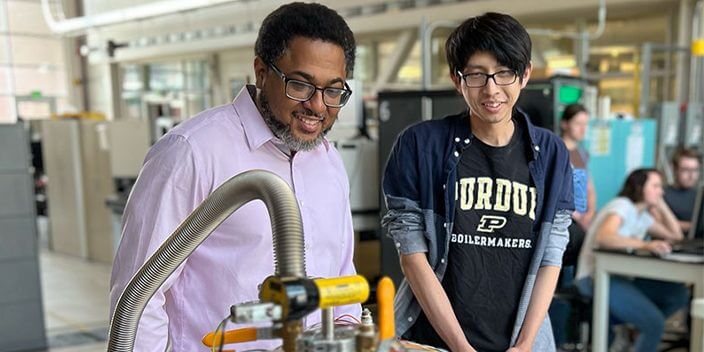
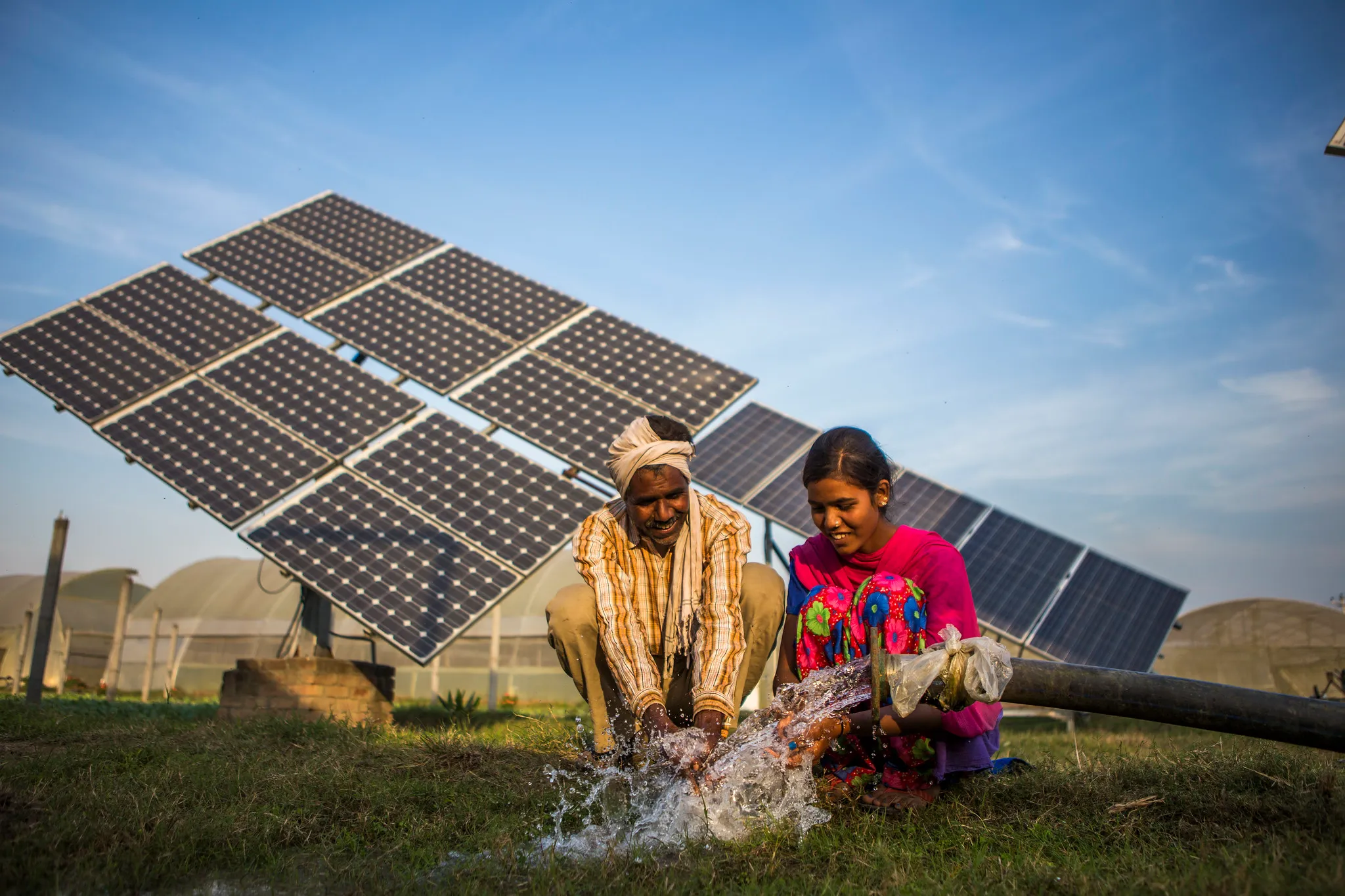
- NCCR Dependable Ubiquitous Automation: Seeks to enhance the reliability and flexibility of smart systems in areas like energy management, mobility, and manufacturing. One of the NCCR projects is concerned with the development and implementation of a fully automated and decentralized energy management system at the district or commune level.
- NCCR Evolving Language: Seeks to study language development across three levels (the dynamics of language structures and their evolution, the biological prerequisites for language, and the social meaning of language). Results will be applied to areas, such as medicine or language recognition (artificial intelligence).
- NCCR Microbiomes: Seeks to study the interaction of microorganisms, their impact on several systems (in humans, animals, plants, and the environment), and their potential applications in medicine, ecology, and nutrition.
- NCCR SPIN: Seeks to make a major contribution to the R&D of quantum computers and create the basis for new information-processing technology, as well as the development of small, fast, scalable, and silicon-based qubits (the basic unit of quantum information measurement) as a basis for new information processing technology.
- NCCR Suchcat: Seeks to create the basis for improving sustainability, resource efficiency, and carbon footprint of chemical processes and products, and of the chemical industry as a whole (sustainable chemistry).
Between 2001 and 2009, the Swiss federal government invested CHF 1,223 million in research and innovation projects. It issued 34,000 publications, obtained 453 patents, and supported 1,134 collaboration agreements with businesses. All NCCRs conduct high-quality research, a fact proven by two Swiss researchers who won the Nobel Prize in Physics in 2019.
NCCRs contributed to the establishment of permanent infrastructures, such as research in the field of climate, resulting in the establishment of the Oeschger Centre for Climate Change Research at the University of Bern. NCCRs have also achieved major success in integrating scientific results into the corporate world and society. For example, Flyability, an NCCR spin-off specializing in robotics, won the Swiss Startup Award. NCCR Robotics also helped three additional companies by adding them to the list of the 100 best start-ups in Switzerland. Moreover, cancer research player Cellestia is also a spin-off from the NCCR Chemical Biology and is currently carrying out projects in areas such as neurobiology and psychoanalysis. On another hand, NCCR Digital Fabrication is conducting an advanced research that will hugely benefit the architecture sector and building practices in the future.