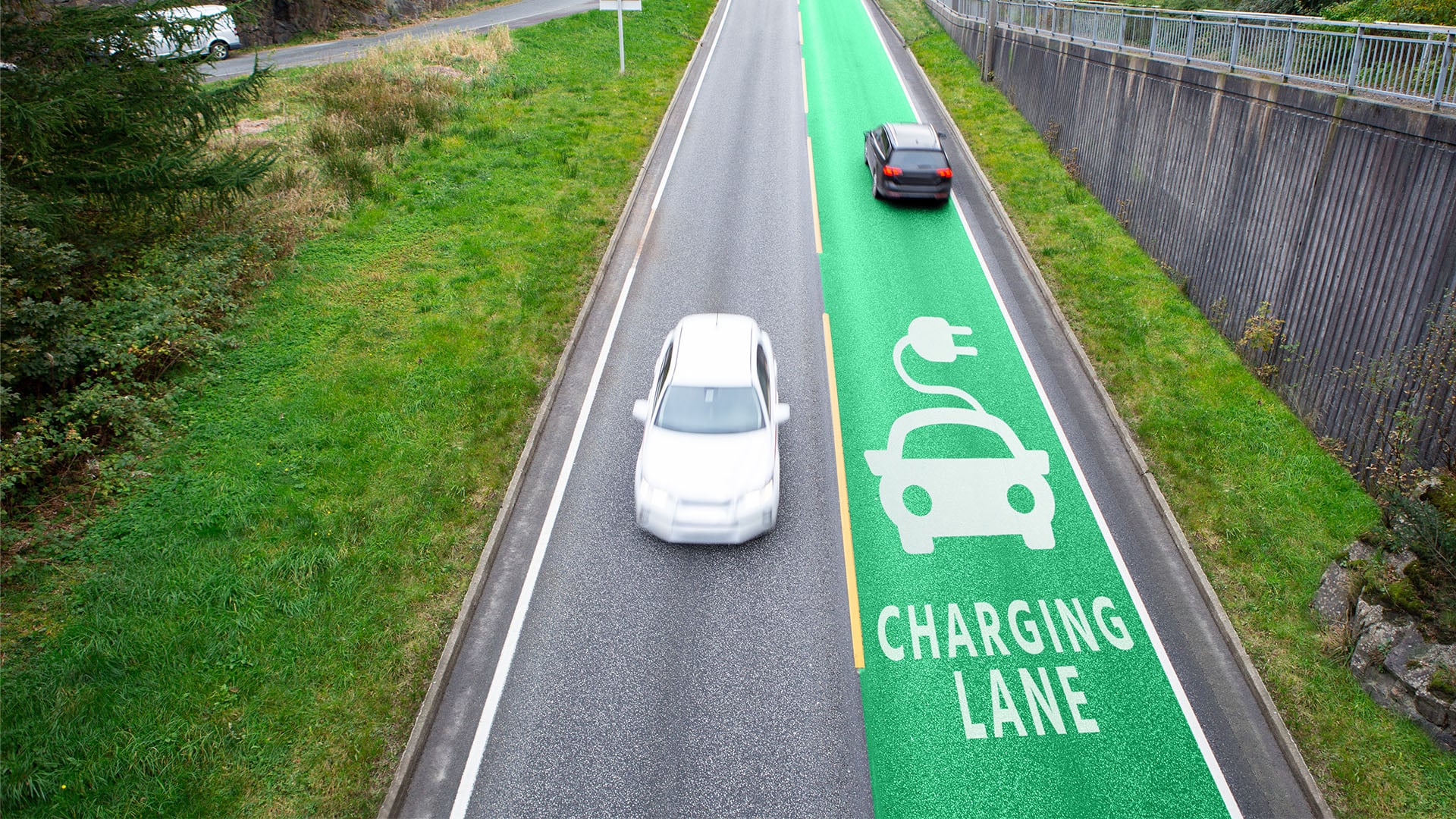

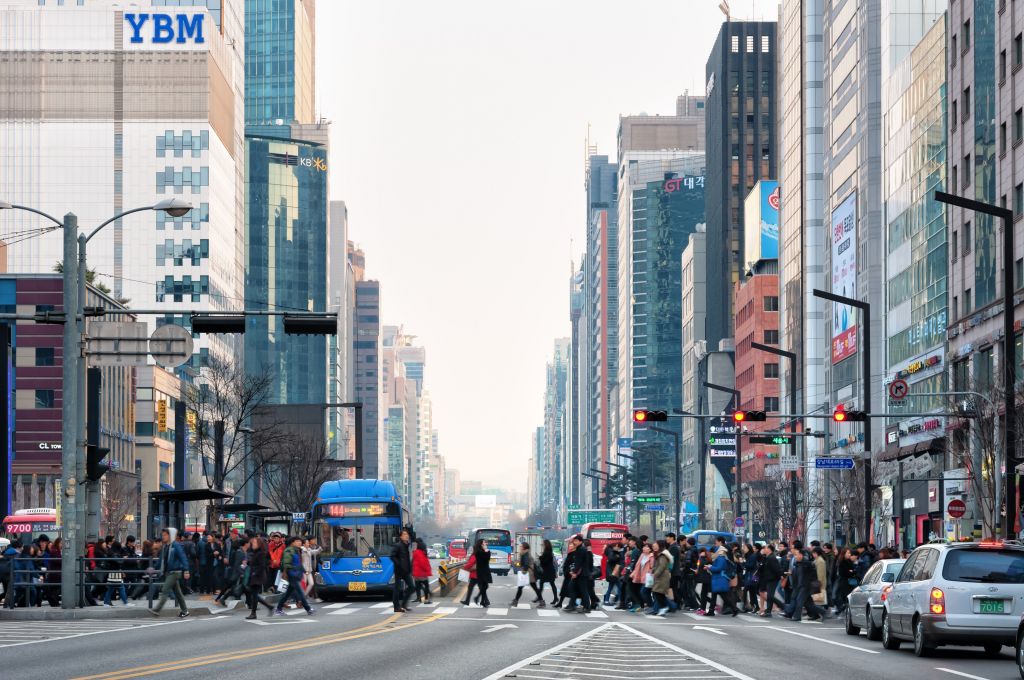
The network of smart lighting poles baptized by the authorities of the Korean capital, Seoul, to be published, An innovative and low-cost way to improve the urban appearance of the capital and enhance the safety and social well-being of its residents. In addition to acting as street lamps, environmental sensors and Wi-Fi access points, The authorities plan to make use of these poles in innovative ways, As charging stations for drones and electric vehicles, Within the framework of strengthening Seoul’s position as one of the most important smart cities in the world.
Many smart cities around the world are seeking to adopt the latest innovations and technology that benefit their residents and contribute to reducing costs for government entities. With the growing need to develop street infrastructure that keeps pace with the requirements of smart cities, Seoul has resorted to adopting smart multifunctional lighting poles, Where multiple uses are integrated in one place, This contributes to more efficient use of the small spaces available across the capital and improving the overall appearance of the streets. These poles allow several functions to be provided simultaneously by acting as street lamps, traffic lights, environmental sensors, and counters to measure the level of congestion, charging pads for smartphones, Wi-Fi hotspots, surveillance cameras, and techniques to detect parking overruns and others. In the latest initiative to develop this technology, The relevant authorities in Seoul have added two new uses to the list, They are equipping the poles with technologies for charging electric vehicles and others for drones, This is in the context of the city’s plan for disaster surveillance and rescue efforts using drones.
The installation of smart poles began at the beginning of 2021, It began deploying 26 poles in six different areas of the city. This process is scheduled to be completed until 216 smart poles are installed by the end of the year. The functions of each have been adapted to the needs of the site where they are located.
In the Hangang Park area, for example, Smart poles equipped with surveillance cameras will be installed, which is expected to enhance emergency response through its ability to detect unfamiliar sounds, As soon as any unusual sound is made, the camera rotates to the side from which it was released to shoot the scene. The city will also add smart siren-like warning lights to the poles to allow people to call for help and get help when needed. In preparation for the expansion of the project, Seoul authorities have installed ten models of flexible smart poles, So that the functions can be activated in them according to the needs of the surrounding environment. One of the most important features of the project is that it has a low cost, Seongdong district in Seoul said it achieved savings of between 12% and 21% during the project.
In addition The presence of these poles on Seoul’s streets and their ability to charge electric vehicles is a factor in pushing South Korea towards achieving the environmental goals it has set for itself. Especially that the government faces many challenges in this area due to the country’s dependence on fossil fuels, especially coal, which makes the level of greenhouse gas emissions from the country high internationally.
In the context of the implementation of the project, The Seoul authorities have developed guidelines for the construction and operation of smart poles for each model for the purpose of detailing installation and maintenance plans, It set standards for integrating and developing road facilities throughout the city to maintain and improve the urban appearance to suit pedestrian traffic. These principles also indicate that a preliminary survey should be conducted during the planning phase at the site where smart poles are to be built to determine how to develop a single smart pole in which all required functions are integrated.
Having developed these guidelines, Seoul organized special online sessions to provide a summary of its experience in this regard, and display a modular model of smart poles, and plans to operate them for Korean local governments in cities that have expressed interest in the project, This is to support the application of similar experiments across the country. According to the authorities concerned with transforming Seoul into a smart city, In short, the Smart Poles project represents an essential facility that will provide seamless and low-cost options to provide the city and its residents with many services while maintaining an urban appearance.
References: