
The issue of plastic waste in Australia is a major challenge that needs renewed innovation to keep pace with the magnitude of the threat it poses to the environment and human health. Therefore, the Australian National Science Authority has adopted a new model based on smart technologies, Such as artificial intelligence and machine learning, and reconsider the uses of plastics and recycle them.
Every day, the world’s oceans receive huge amounts of plastic that invades the diets of marine organisms to make its way back to consumers’ tables. which would destroy the ecosystem of the seas and oceans, According to the worst-case scenario for climate change research estimates. Faced with this situation, Australia’s National Science Authority has mobilized to reduce plastic waste by 80% within a decade. In cooperation between several partners to protect the environment and develop the economy.
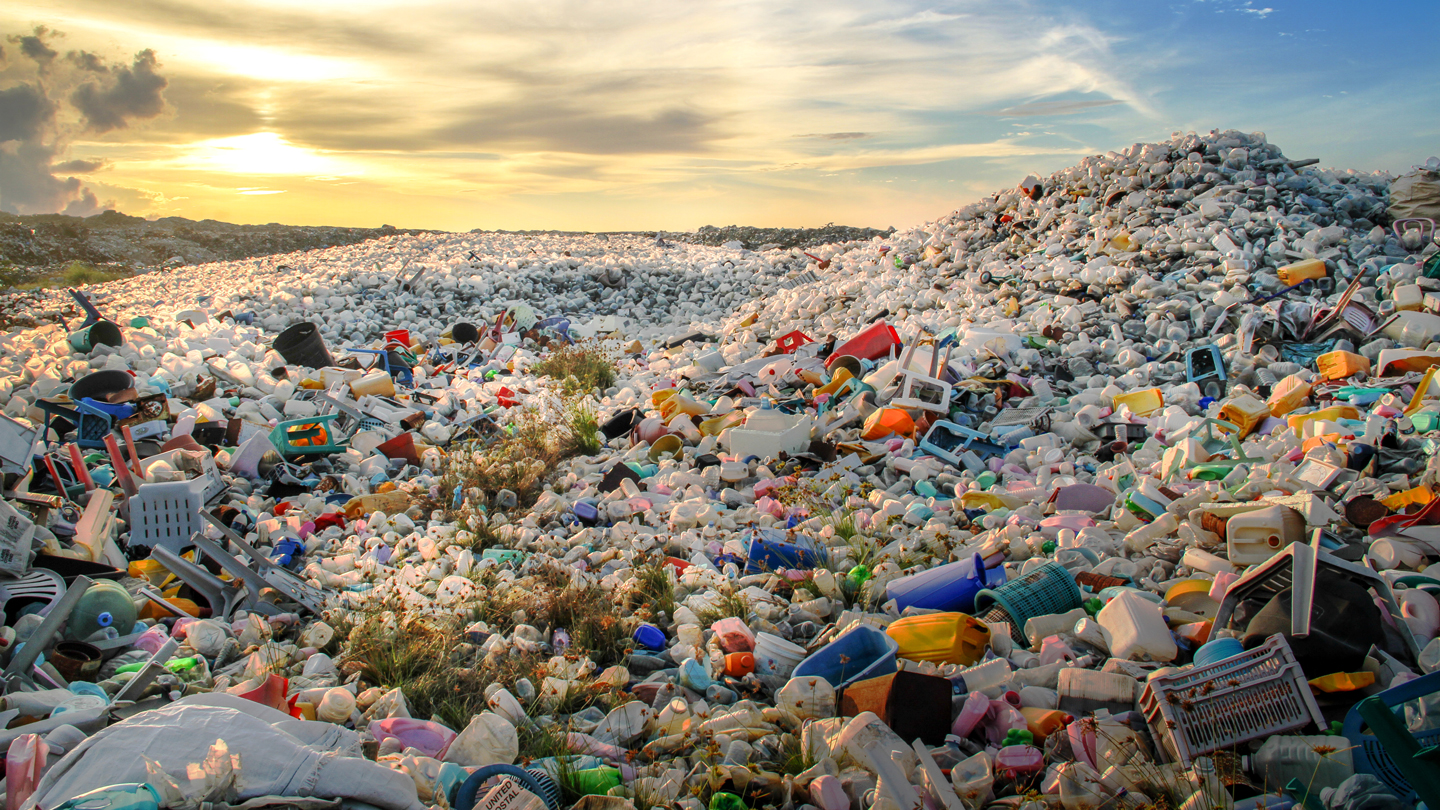
Millions of tonnes of manufactured plastics such as single-use bags and packaging end up on natural water surfaces such as rivers, seas and oceans. It takes a long time to decompose compared to other materials. Although ultraviolet light and the movement of wind and waves may accelerate the decomposition process, These materials remain an environmental burden often caused by poor waste management.
On a global level, The plastics industry uses 90 billion tons of raw materials annually. After the end of the shelf life of these products, Only 9% of them are recycled, The rest is left to have serious implications for human health and the environment. from harming and killing marine life, transport of chemical pollutants and alien species, In addition to social and economic damages such as obstruction of navigation and restriction of tourism activity. It is estimated that about 8 million tons of plastic are poured into the world’s oceans annually. While 14 tons of microplastics settle to their bottoms.
Australians alone produce nearly 67 million tonnes of waste each year. A large part of it flows into waterways. Where pollutant traps pick up waste in stormwater drains, They need constant maintenance that consumes time and funding. In the face of expectations that global plastic production will double by 2030, With the decision to ban the export of Australian waste, The need to address the plastic waste challenge has swelled.
As the Australian National Science Authority, The Commonwealth Scientific and Industrial Research Organization (CI Cyrro) is moving towards reimagining a new future for plastics. It relied on more than $37 million in funding to develop a 12-mission research program aimed at addressing the issue of plastic waste in the country.
“Plastics Mission” is one of those missions that brought Sea-Cyro together with other partners such as Microsoft and the Royal Australian Institute of Chemistry. The mission seeks to modify the entire supply chain, Technological solutions will be employed to stop the leakage of plastic waste into natural places.
Solutions may start from reconsidering the uses of plastic bags, Improve design, materials used and supply logistics. New ways of using, manufacturing and recycling plastic can also be explored by creating new products and increasing their value.
In conjunction with these efforts, Work is underway to develop more advanced solutions, Using artificial intelligence, for example, To detect plastic waste in waterways, Implement improved waste control systems, With the use of machine learning technology and the use of sensors that collect data to monitor and classify waste and identify points that require government intervention to prevent plastic waste from reaching waterways. This project is integrated with the cameras used by local councils at rainwater drains for the same purpose. At the research level, Scientists use these techniques to analyze the journey taken by plastic waste. Based on the results, They suggest possible steps to reroute this trip. In the town of Hobart, for example, The city is working with C-Cyrro to develop an independent sensor network that provides live reporting on the amount of waste observed.
In the same vein, Sea-Cyrro seeks to set clear standards that regulate recycling processes and identify best practices capable of reducing pollution. This includes food safety for recycled products, To instruct consumers on what can be used again, And inform them of the technical specifications of the process. In FAO’s cooperation with the Royal Institute of Chemistry, FAO partnered with his plastics management initiative to find ways to extend the life of plastics and recycle them more sustainably.
In parallel with this program, Sea-Cyrro is working with various segments of society to help recover from the COVID-19 pandemic. Within another program, addresses some of Australia’s biggest challenges, It seeks to achieve positive results, generate jobs and promote economic growth.
Replacing traditional means of monitoring waste with artificial intelligence will speed up the authorities’ response and improve water quality. While the data will provide a reference base on which future waste management strategies are built after evaluating the effectiveness of current procedures, It will build a deeper understanding of plastic pollution with its causes, habitats and how it forms. Modeling tools support them by optimizing processes and containing environmental damage. The use of the updated network of sensors at waste traps, It will ensure that they perform at the best possible, It will also improve operational maintenance, It raises safety rates. Through recycling, new types of products and designs will gradually be created, generating new jobs across multiple sectors.
More broadly, These efforts are in line with the United Nations Sustainability Goals, It contributes to the promotion of the circular economy, which the authorities see as a major economic opportunity based on the integration of the concept of circularity in production and consumption, maximizing the benefit of resources and the effective use of natural ones. In Australia, These resources have their value only in their raw state, This makes the circular economy a pillar to ensure the future prosperity of the country.
References:
https://www.csiro.au/en/News/News-releases/2020/CSIRO-and-partners-take-aim-at-ending-plastic-waste
https://www.csiro.au/en/research/environmental-impacts/sustainability/Circular-Economy