

While the world was preoccupied with the COVID-19 pandemic, Croatia was facing a wave of devastating earthquakes that left it desperate for a plan to revive its economy and rebuild its damaged infrastructure. With the support of the European Union, The government has developed a plan aimed at reconstruction, increasing energy efficiency, consolidating digitalization and building a sustainable economy.
In response to the new reality imposed by the pandemic, The European Union has decided to allocate 732.8 billion euros to member states to recover from the effects of the crisis that has hit the world, but to receive a share of these grants requires each country to submit its own plan to the European Commission.
The COVID-19 pandemic has put Croatia in unprecedented difficulties that have intertwined with serious climate and environmental policy challenges in the wake of the 2020 earthquakes. These challenges are represented in the reconstruction and renewal of the power grid, Efficiency by increasing reliance on renewable sources, and improve waste and water management, Establish a more sustainable and innovative transport system.
Faced with the need to revive the country from recession, The Croatian government drew up a recovery and resistance plan that consisted of 146 investments and 76 reform processes. will be implemented with €6.3 billion in funding grants, 40.3% will be used to achieve climate goals and 20.4% to promote digital transformation.
The government attaches great importance to the issues of preserving biodiversity, protecting ecosystems and increasing the use of renewable energy sources to more than 36% by 2030. So, You will start by modernizing the energy infrastructure, Support investments in the production of biofuels and renewable hydrogen, or those aimed at promoting a circular economy, sustainable tourism and green technologies, It also pledged to help companies achieve a green transition and energy efficiency. And co-financing innovative projects for carbon capture and storage. It has chosen the beginning of two core projects, The first is carried out in one of the ammonia production plants where 190,000 tons of carbon will be captured annually. The second will be part of the ethanol refinery project, It aims to capture 55,000 tonnes per year. In both projects, Carbon will be transported via pre-existing gas pipelines to depleted oil and gas fields close to the two sites.
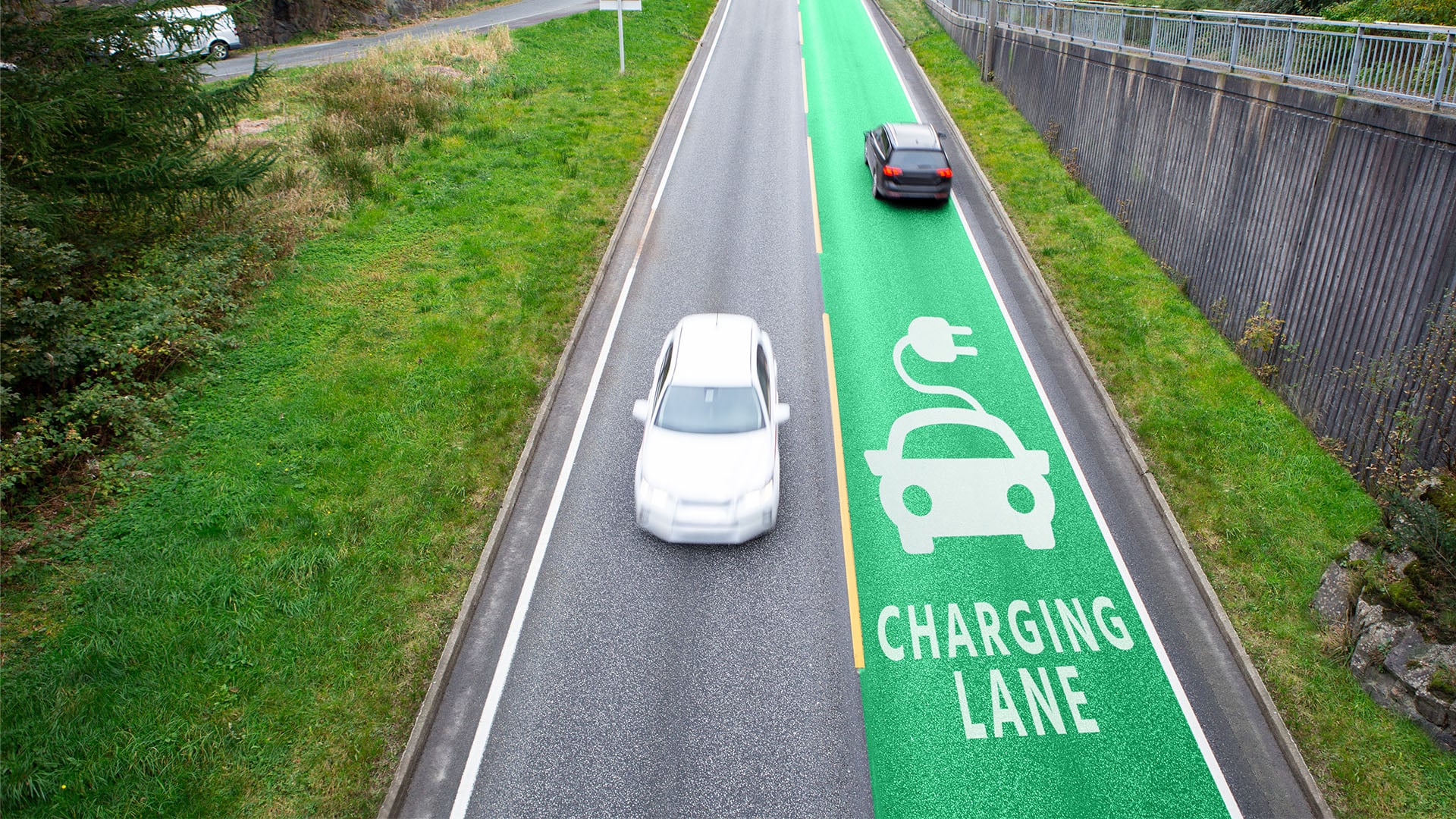
On the transport front, The authorities will begin work on the renewal of the railway network, and self-driving electric taxis, And the establishment of 1300 charging stations for these cars in different parts of the country, the introduction of zero-emission vehicles, Croatia receives a lot of tourists who come to it on electric cars. Although today they make up no more than 2% of private transport, They are of great economic and climatic importance. The plan also paid attention to the less represented societal groups, It allocated part of the funding to establish a supportive infrastructure for people of determination.
To achieve digital transformation, The Croatian authorities will digitize the public administration and create a one-stop shop that provides online government services, Hence the digitization of the justice system and the dissemination of the digital ID card. Next, Efforts will focus on expanding broadband coverage nationwide and enhancing GIGABYTE wired and wireless digital connectivity even in remote areas. In order to facilitate investment in the digital infrastructure of fifth generation networks and increase the access of rural residents to Internet services, The investments will include about 20 projects for local administrative units covering about 124,000 families. To facilitate distance learning, The plan also seeks to digitize higher education and invest in e-learning and digital teaching tools.
Of course, Much of the plan revolved around the reconstruction of buildings damaged by earthquakes. It will seek to renovate 45,000 meters of private property and 247,000 meters of public property. The most important thing is to observe the principle of “better reconstruction”, New buildings are more resistant to earthquakes and natural disasters and achieve at least 30% energy savings compared to what they used to be. In this context, The coming years will bring Croatians some challenges related to changing their ingrained habits, such as replacing gas-based water heaters in their homes. Relying on alternative means such as heat pumps and district heating systems that generate heat in a central location, And then distribute them through an isolated pipe network.
Perhaps the most prominent challenge facing the plan is the tight timetable, The plan’s bylaw expects all reforms and investments to be completed by August 2026. To this end, The Croatian authorities took into account the necessary consultations during the design of the plan, Meetings were held with local and regional stakeholders and social partners.
In general, The plan aims to remove obstacles to achieving lasting growth through reform efforts. The investments will accelerate post-earthquake recovery, maximize the benefits of digital transformation and ensure social cohesion by reducing the digital and service divide between different communities. It will take Croatia towards a sustainable, climate-resilient and low carbon footprint economy in a cleaner and safer environment.
References: