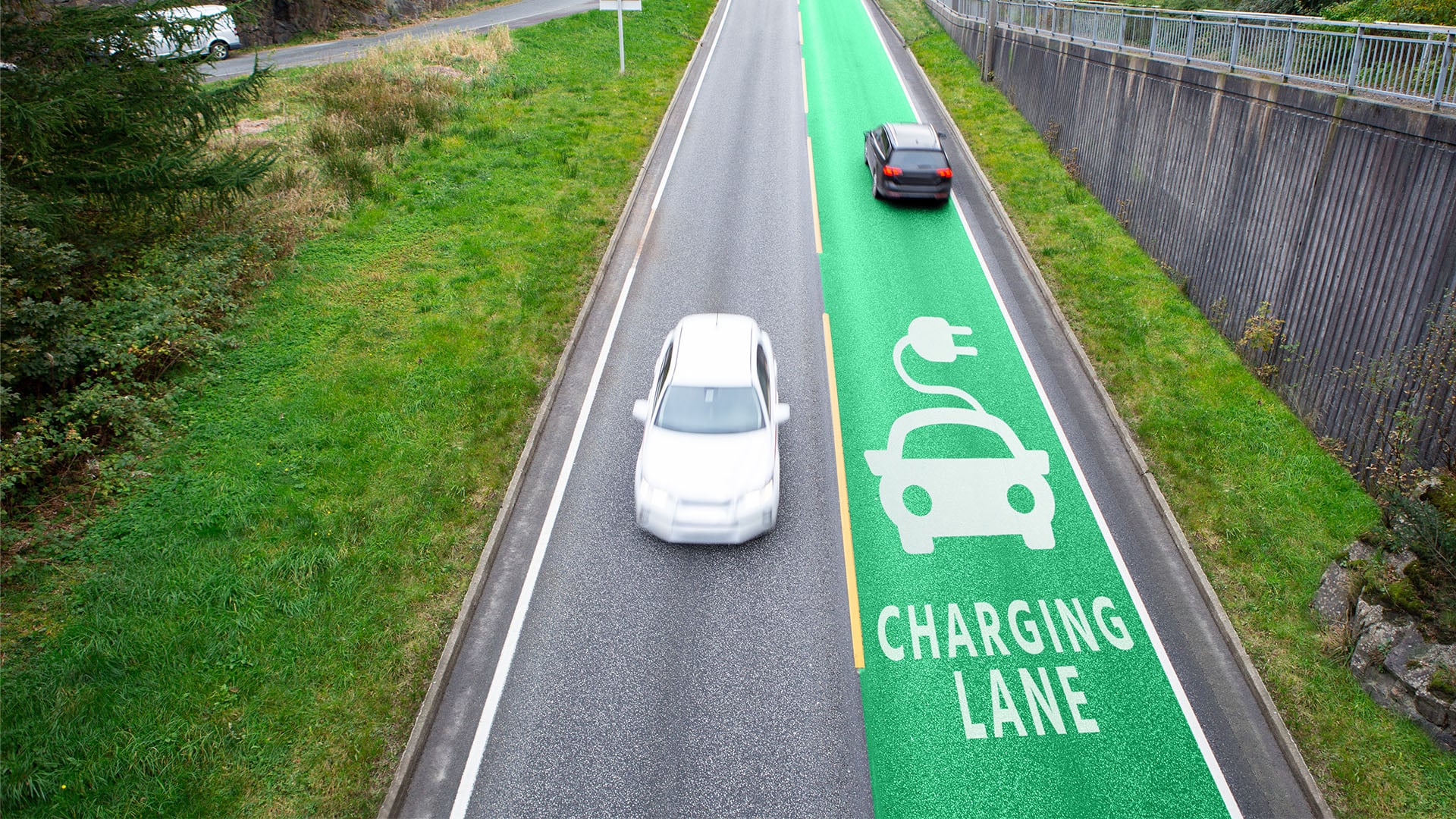


The energy regulator in Flanders, Belgium, has released a new interactive online tool, GreenCheck 2.0, that allows citizens and companies to check the characteristics of the electricity supplied to their homes or the workplace in terms of renewable energy, country of origin, and source.
This way, the government can meet the growing demand for (green) environmental contracts, ensure the required transparency among energy providers and the government, and enable mechanisms to liberalize energy markets in general.
Innovation overview
Consumers are becoming increasingly concerned over climate change issues and their resulting carbon emissions. To bridge the gap between consumer needs and trends on the one hand, and the urgency to protect the environment on the other, citizens have resorted to electricity (green) contracts that cater to the environment. As the energy regulator in Flanders, one of the tasks assigned to VREG is overseeing green energy markets, assessing their reach, and finding ways to handle them. To be able to sell electricity generated from renewable resources, communication with Belgium’s energy suppliers is stipulated by the Law, as in most European countries, to obtain a Guarantee of Origin (GO). These GOs are proof of the country of production and the technology used. They must be delivered to the regulator and canceled based on the volume of electricity supplied monthly.
According to many surveys conducted by the energy regulator VREG and other stakeholders, this growing interest in relying on environmentally friendly (green) electricity is met by consumer concerns about whether the energy supplied is truly environmentally friendly or not. Although one of the core functions performed by the government through VREG is to oversee the domestic and international trade of the GOs and their cancellation by the suppliers, informing the public of the results is no less important. The general fuel mix of each supplier is calculated yearly by VREG, which is a mandatory item in energy invoices. Nevertheless, registration of individual contracts for each citizen and checking whether contractual guarantees of percentage renewables are fulfilled is not feasible, neither technically nor practically, despite being of major social relevance.
To effectively and efficiently resolve 21st-century challenges, such as this one, the public service should consider new and more agile models and methodologies to successfully perform its tasks and meet the changing needs of citizens in complex environments. To this end, VREG launched in 2012 GreenCheck 1.0, in collaboration with the Flemish Minister of Energy, as a way to inform citizens, companies, and local governments about their electricity consumption. This tool has provided proof of green (renewable) or grey (nuclear or fossil) electricity consumption characteristics supplied per individual citizen, which can be accessed by inserting the connection point number online on the VREG website.
In recent years, customers were concerned that the first version of the tool was no longer serving its purpose. Consequently, a growing need for a second version of GreenCheck arose. GreenCheck 2.0 was launched in 2018 to achieve three goals: 1) Provide more information, such as Country of Origin data and type of energy source; 2) Use results generated from the citizens as a way to control and regulate electricity suppliers; and 3) Encourage the liberalization of the energy market by leveling the competition.
Technically, the tool follows four main steps: 1) The suppliers prepare and report the monthly lists of customers with environmental (green) contracts to VREG; 2) VREG transfers these lists to distribution grid operators who add the volume of electricity consumed per connection point; 3) VREG calculates the number of GOs that must be canceled per supplier and commercial product according to the consumed volumes; and 4)VREG conducts an initial check and publishes online the characteristics of the canceled GOs using GreenCheck tool.
In fact, GreenCheck 2.0 successfully innovated a way to regulate energy and realized several goals by building a methodology that is independent of the “central government system” and operates within a decentralized framework based on citizen engagement. The tool serves the citizens by informing them objectively on the nature of the electricity they consumed and supports the government in its task of regulating the operation, which could not have been possible without this tool. If the citizens discover any errors or inaccuracies between the information provided by GreenCheck and the contract, they can contact VREG which will take disciplinary actions against the suppliers. This has happened several times shortly after the tool was launched, also on a very large scale and with a major supplier. Citizens are determined to be more informed and make more knowledgeable decisions when choosing a supplier. The role of this fact-checking system is not limited to fair competition in the liberalized energy market, it also fosters innovation. For example, emerging suppliers consider electricity a key part of their business plan.
What makes your project innovative?
GreenCheck 2.0 is a citizen-centric tool used to undertake governmental oversight functions that would otherwise have been impossible to perform using traditional methods. As the regulator VREG, we have provided information tools for citizens to allow them to compare contract prices and the level of service offered by energy suppliers, etc. However, things have changed with GreenCheck 2.0. It is an innovative tool since it provides information to citizens and simultaneously introduces an initiative to regulate the energy market while achieving results of common interest. This tool was and remains the first of its kind in Europe. It is an integral part of several methodologies and innovations that will enable governments to address the challenges of the 21st century and support sustainable development, which will become increasingly important in the coming years. The most prominent feature of these innovations and the GreenCheck tool is decentralization and freeing citizens from central government restrictions.
What is the current status of your innovation?
In September 2018, the tool was launched for four months for assessment purposes and for the diffusion of lessons learned. The project is evaluated while focusing on goals setting and the technical level. As for evaluating the achieved goals, we have decided to consolidate our internal evaluation by using the feedback from various stakeholders to envision the future and push the boundaries of innovation, namely as input to release a potential new version of the tool in the future. For example, the tool currently shows the country of origin of the electricity supplied but within Europe’s domestic energy supply. However, we aspire to add more details by providing a map based on the Flemish zip codes of renewable energy production devices. On the technical level, the final details of technological and IT operations have been regulated and coordinated to ensure that the tool will serve its purpose.
Participating entities
In 2015, VREG organized a workshop on energy disclosure with national and international participants from a broad range of stakeholders, including large and small suppliers, international NGOs, energy traders, consumer organizations, etc. The results were publicly revealed for the first time in 2016 before they were included in an official government proposal. One of these results formed the cornerstone to start developing GreenCheck in 2017, even though it only revealed information about the electricity supplied from the green and grey categories.
Users, stakeholders, and beneficiaries
Citizens are empowered by the ability to easily verify contractual promises and act promptly if any inconsistencies are detected by filing a complaint to the supplier or VREG. As for companies, the tool ensures greater equality of opportunity between energy suppliers by checking contractual promises, thus supporting fair competition. City governments are organizing so-called “group purchases” for (green) environmental contracts to negotiate better prices for citizens while contributing to the achievement of the city’s environmental goals.