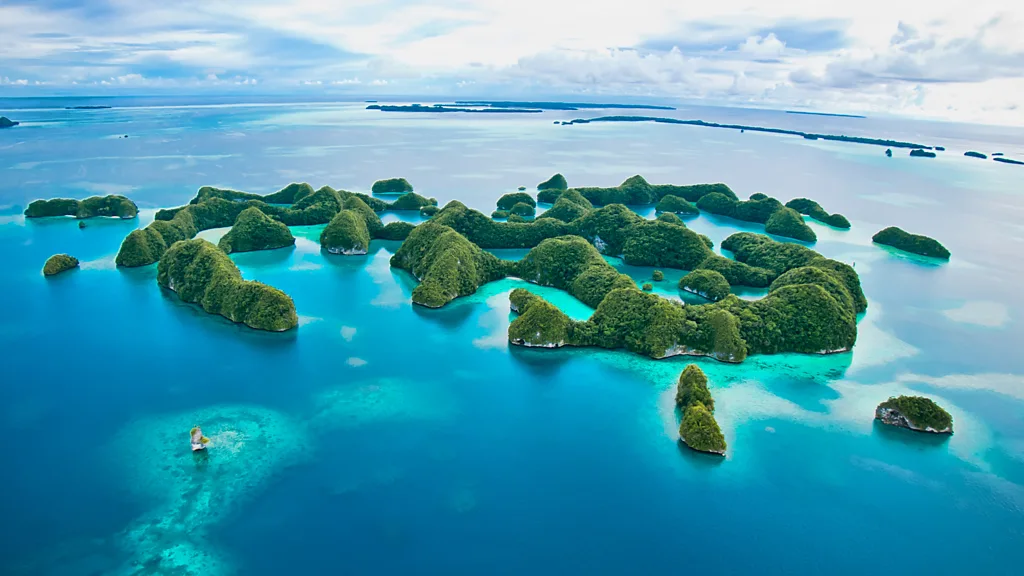


The Swedish island of Gotland has experienced a severe water crisis in recent years due to water shortage, negatively affecting tourism and small businesses. To address the water shortage problem, the government of Gotland took a range of effective measures, including imposing laws on the construction of new houses and projects that consume water and impede economic development in the area. To find a radical solution, the municipality of Gotland partnered with the Swedish Environmental Research Institute and the Baltic Sea Forum to launch a EUR 3.5 million project.
This project, launched in 2019 and is still under development, will turn Storsudret in southern Gotland into a testbed for the development of circular water solutions aimed at rationalizing water consumption at all stages. Storsudret has an area of 14,000 hectares and a population of 900 residents that doubles in the summer to 2,100 people. It is also home to 5,000 livestock, which raises annual water consumption to 300,000 cubic meters. This testbed is useful to develop innovative initiatives and solutions and employ various data to evaluate, design, and showcase a wide range of water resources to reduce water shortage and benefit from the tourism, municipal, and water sectors on the island.
The primary objective of the project is to develop innovative solutions for collecting and reusing rainwater to prevent water scarcity on the island based on sustainable circular economy principles and fully leverage the water cycle. Entities concerned with water desalination projects launched initiatives to collect water before reaching the sea and mixing with salty water as desalination consumes a lot of energy. Another initiative is studying the possibility of wastewater recycling and purification. This project relies on structured data collection processes and models to extract important insights for future innovations. For example, an advanced data model was used to harvest rainwater to augment groundwater, which affected the number of freshwater lakes and surface dams.
The government will implement several experimental water recycling solutions in the testbed, including integrated systems based on small-scale methods such as rainwater harvesting from drainage ditches, and collecting rainwater by using automatic floodgates to replenish aquifers and monitor their water levels. The municipality also plans to adopt solutions to install automatic hatches in large ditches and artificial surface water dams, artificial infiltration for groundwater, and groundwater dams for subsurface water storage. Moreover, decentralized membrane treatment of raw wastewater can be used to reuse and reduce water volumes treated at the central wastewater treatment plant, in addition to climate-neutral desalination to reduce carbon footprint.
Project stakeholders provided an open opportunity for individuals to share their opinions and suggestions. In April 2019, invitations were sent to about 100 residents, citizens, and stakeholders to participate in a 3-hour discussion with representatives from the Swedish Environmental Research Institute and government officials to discuss the proposed plans and visions for the testbed. The discussion also tackled the first findings that would regulate the engagement and discussion on water reuse. Gotland has been selected as one of the testbeds for the EU NextGen project, a multinational project that aims to boost sustainability and introduce new market rules for all phases of the water cycle. The testbed in Gotland is one of ten sites across Europe dedicated to the development of water-related innovations. The goal of the NextGen project is to formulate a roadmap for water in Europe’s circular economy, noting that these projects will be inaugurated in 2022.