MBRCGI Websites
|
Ibtekr.org
|
MBRCGI.gov.ae
|
UAE Innovates
|
Edge of Government
|
Pitch@Gov

Virtual Doctor: An Emirati initiative inspired by the COVID-19 crisis

5 minute read
To strengthen telehealth services amid the COVID-19 crisis, the UAE's Ministry of Health and Prevention has launched the Virtual Doctor service to assess cases potentially infected with COVID-19, as part of the country's efforts to contain the virus.
Share this content

Add to Favorite ♡ 0

The novel coronavirus, which plagued the world a few months ago, has burdened governments and sectors, notably healthcare, since the start of the outbreak. As COVID-19 engulfed the nations, health systems were collapsing and medical staff was at risk of contracting COVID-19, as a result of their continuous interaction with infected cases. Therefore, the infected medical personnel will not only increase the number of infected people, but they will also increase the burden on the health system due to low efficiency and ability to treat and care for patients.

As part of the initiatives addressing this global pandemic, the concept of telehealth services had emerged as an effective and sustainable solution to prevent the spread of COVID-19. Telehealth services are particularly important during this time because they can bridge the gap between individuals, physicians, and health systems. Moreover, they allow people, especially symptomatic patients, to stay at home and communicate with doctors through virtual communication channels. Consequently, the virus will stop spreading among large numbers of individuals and medical staff.

To enhance the capabilities of telehealth services during the COVID-19 crisis, the UAE's Ministry of Health and Prevention has launched the Virtual Doctor. This service aims at assessing cases potentially infected with the coronavirus, as part of the country's efforts to contain the virus. At the same time, this service alleviates the burden placed on health systems and services in various parts of the country. The Virtual Doctor is simple and easy to use. Five multiple-choice questions are asked to determine the user's travel history, symptoms, and whether they have been in contact with infected persons.

"Salam Alaikum, I'm here to guide you through the Coronavirus Assessment Tool. If you are experiencing a life or limb-threatening emergency, call [998]. I'm not a substitute for professional medical advice, diagnosis, or treatment. Always consult a medical professional for serious symptoms or emergencies," the service tells users.

The foremost question posed is if a person has traveled to any of these countries, China, Hong Kong, Italy, Iran, the Republic of Korea, Spain, France, Germany, the US, Switzerland, the Netherlands, Denmark, Sweden, Norway, Japan, Belgium, Austria, Kuwait, and Bahrain.

The second question tackles the issue of having contact with someone who traveled to or passed through any of these countries and is currently experiencing any symptoms. The Virtual Doctor will then ask the users if they had been exposed to an infected person who started showing any symptoms, such as fever, cough, runny nose, dry throat, or shortness of breath.

The tool provides two different responses, depending on the user's answers. It may display the following: "We would like to talk with you as soon as possible. Please call 998,” or "Dear patient, you have a low risk for COVID-19. If you need further information please call the following number: 800-FLU [358]."

Source: 2 1

Subscribe to Ibtekr to stay updated on the latest government initiatives, courses, tools and innovations
Register Now
Subscribe to Ibtekr’s Newsletter
Innovators’ Mailing List
Our newsletter reaches more than 30,000 innovators from around the world! Stay up to date with innovations from across fields of practice in the public sector.
Subscription Form (en)
More from Ibtekr

When Data Warms Homes: Denmark Utilizes Data Centers Heat

In an innovative approach that transforms an environmental problem into a sustainable solution, Denmark is repurposing excess heat from data centers to warm thousands of homes. Instead of wasting energy, projects led by tech giants like Microsoft and Meta are channeling this heat through advanced heat pumps into local district heating networks — reducing carbon emissions and providing stable home heating.

 · · 15 December 2025

Resilient Corals Help Degraded Reefs

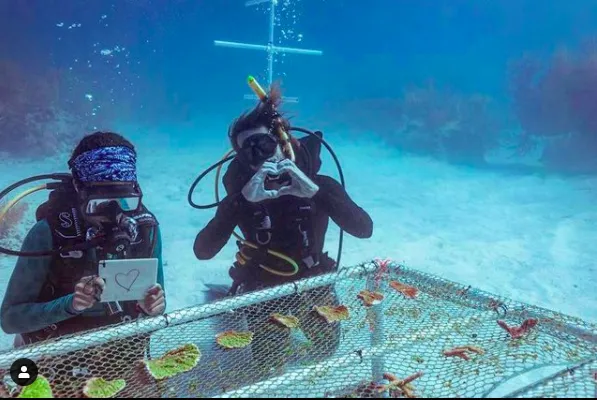
As coral reefs teeter on the brink—battered by climate change, pollution, and overfishing, the world stands to lose not just vibrant underwater landscapes, but entire ecosystems that sustain marine life and millions of people. Enter Coral Vita, an ambitious startup that’s flipping reef restoration on its head by growing coral on land using a mix of cutting-edge techniques like microfragmentation and assisted evolution—dramatically accelerating coral growth and boosting resilience in warming seas.

Data-Driven Harvests: How Precision Farming Is Redefining Agriculture in India

As Indian farmers grapple with the compounded pressures of climate change, soil degradation, and dwindling resources, a quiet digital revolution is taking root in the country’s fields. A partnership between two companies—Zuari FarmHub and CropX Technologies—is delivering real-time soil intelligence to the palms of farmers’ hands, helping them irrigate more efficiently, fertilize more wisely, and ultimately grow more with less.

 · · 12 December 2025

The Robotic Falcon: Guarding Birds from Planes—and Planes from Birds

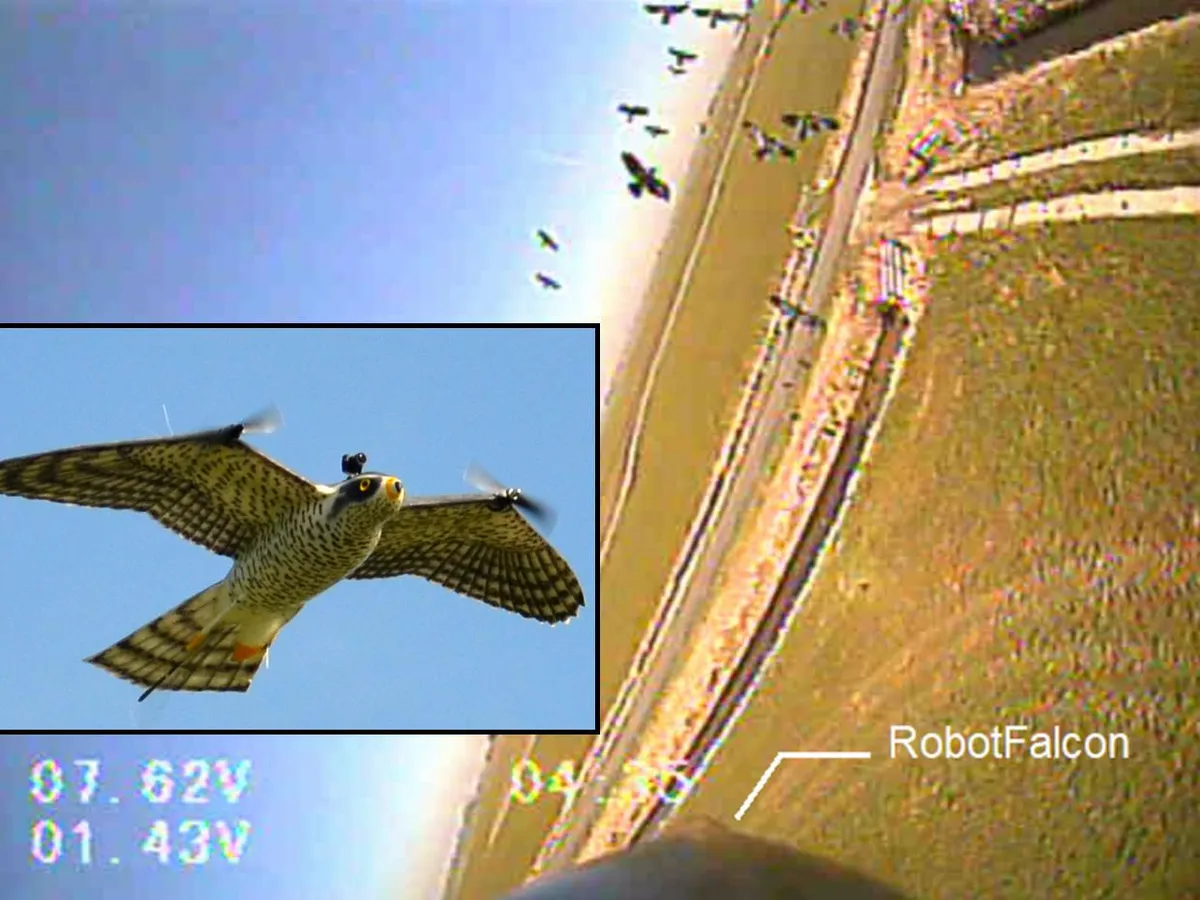
As aviation continues its relentless expansion, balancing flight safety with wildlife protection remains one of the field’s most stubborn challenges. But a recent innovation—a robotic falcon that merges cutting-edge technology with natural predator behaviour, is offering a novel, perhaps transformative, solution.

 · · 29 October 2025

The Internet of Animals: A Glimpse Into a New Tech Frontier Connecting Wildlife to the Web

In a scene that mirrors the always-on, real-time connectivity of human communication, it's now possible to record every flap of a bird’s wing or the tiniest stir of an insect. This isn’t a science fiction scenario. It’s the unfolding reality of a new generation of remote sensing systems. These tools are revolutionizing the way we track animals, not just to push the boundaries of technology, but to protect and understand the biological diversity that sustains life on Earth.

 · · 29 October 2025
1 2 3 92
magnifiercrossmenuchevron-down