MBRCGI Websites
|
Ibtekr.org
|
MBRCGI.gov.ae
|
UAE Innovates
|
Edge of Government
|
Pitch@Gov
Generic selectors
Exact matches only
Search in title
Search in content
Post Type Selectors

Virtual Doctor: An Emirati initiative inspired by the COVID-19 crisis

5 minute read
To strengthen telehealth services amid the COVID-19 crisis, the UAE's Ministry of Health and Prevention has launched the Virtual Doctor service to assess cases potentially infected with COVID-19, as part of the country's efforts to contain the virus.
Share this content

The novel coronavirus, which plagued the world a few months ago, has burdened governments and sectors, notably healthcare, since the start of the outbreak. As COVID-19 engulfed the nations, health systems were collapsing and medical staff was at risk of contracting COVID-19, as a result of their continuous interaction with infected cases. Therefore, the infected medical personnel will not only increase the number of infected people, but they will also increase the burden on the health system due to low efficiency and ability to treat and care for patients.

As part of the initiatives addressing this global pandemic, the concept of telehealth services had emerged as an effective and sustainable solution to prevent the spread of COVID-19. Telehealth services are particularly important during this time because they can bridge the gap between individuals, physicians, and health systems. Moreover, they allow people, especially symptomatic patients, to stay at home and communicate with doctors through virtual communication channels. Consequently, the virus will stop spreading among large numbers of individuals and medical staff.

To enhance the capabilities of telehealth services during the COVID-19 crisis, the UAE’s Ministry of Health and Prevention has launched the Virtual Doctor. This service aims at assessing cases potentially infected with the coronavirus, as part of the country’s efforts to contain the virus. At the same time, this service alleviates the burden placed on health systems and services in various parts of the country. The Virtual Doctor is simple and easy to use. Five multiple-choice questions are asked to determine the user’s travel history, symptoms, and whether they have been in contact with infected persons.

“Salam Alaikum, I’m here to guide you through the Coronavirus Assessment Tool. If you are experiencing a life or limb-threatening emergency, call [998]. I’m not a substitute for professional medical advice, diagnosis, or treatment. Always consult a medical professional for serious symptoms or emergencies,” the service tells users.

The foremost question posed is if a person has traveled to any of these countries, China, Hong Kong, Italy, Iran, the Republic of Korea, Spain, France, Germany, the US, Switzerland, the Netherlands, Denmark, Sweden, Norway, Japan, Belgium, Austria, Kuwait, and Bahrain.

The second question tackles the issue of having contact with someone who traveled to or passed through any of these countries and is currently experiencing any symptoms. The Virtual Doctor will then ask the users if they had been exposed to an infected person who started showing any symptoms, such as fever, cough, runny nose, dry throat, or shortness of breath.

The tool provides two different responses, depending on the user’s answers. It may display the following: “We would like to talk with you as soon as possible. Please call 998,” or “Dear patient, you have a low risk for COVID-19. If you need further information please call the following number: 800-FLU [358].”

Source: 2 1
Subscribe to Ibtekr to stay updated on the latest government initiatives, courses, tools and innovations
Register Now
Subscribe to Ibtekr’s Newsletter
Innovators’ Mailing List
Our newsletter reaches more than 30,000 innovators from around the world! Stay up to date with innovations from across fields of practice in the public sector.
Subscription Form (en)
More from Ibtekr

Sweden Builds an Electrified Road That Charges Vehicles as They Drive

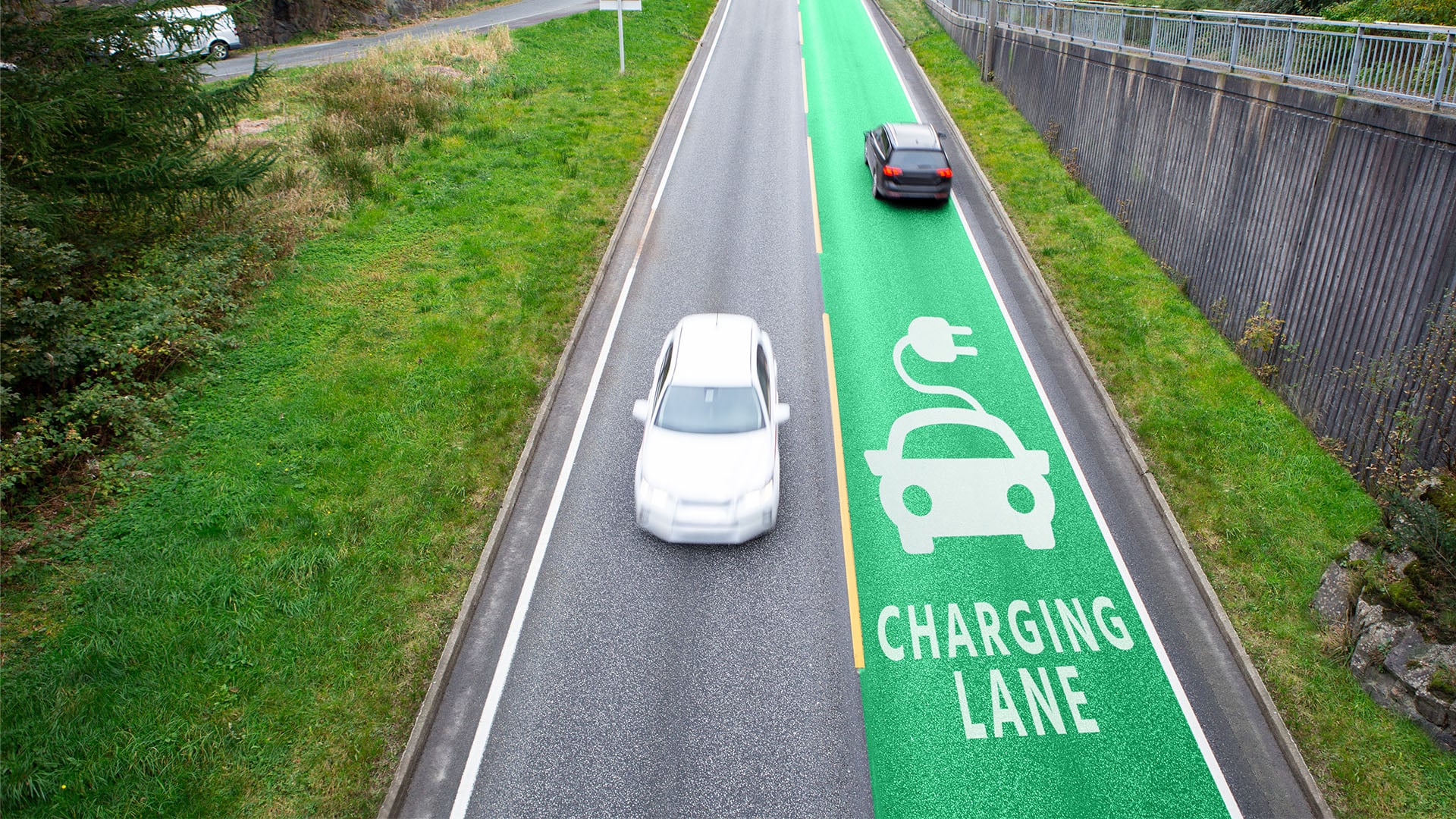
In a project that integrates dynamic charging into road infrastructure, Sweden is constructing the world’s first permanent electrified road—one that can charge electric vehicles while they are in motion. By embedding charging technology directly into highways, the system reduces dependence on stationary charging stations, enables smaller batteries, and boosts efficiency, especially for heavy-duty trucks. It’s […]

 · · 9 June 2026

The Library of Things: When Sharing Becomes a Way of Life

In a project that revives the culture of sharing and transforms libraries and community centers into hubs of service and empowerment, London’s Library of Things offers an innovative model for fairer, more sustainable consumption. Instead of buying tools and equipment outright, people can borrow them for short periods. Through user-friendly digital platforms, members access a […]

 · · 9 June 2026

Food from Thin Air: When Gases Become Protein

In a glimpse of what could reshape the future of food, Finnish company Solar Foods has developed a way to produce edible protein from unconventional ingredients: air, water, and renewable electricity. Using advanced microbial fermentation, bacteria consume carbon dioxide and hydrogen to generate a nutrient-rich substance that requires neither soil nor climate. In 2024, the […]

 · · 9 June 2026

Palau Redefines Tourism: A Passport to Protect the Environment

In a pioneering move that integrates legislation, awareness campaigns, and incentive programs into a unified ethical travel experience, the Pacific island nation of Palau has implemented a globally unique initiative: all incoming visitors must sign an “environmental pledge” printed directly into their passports. The text, co-written by the country’s children, commits tourists to act with environmental and cultural responsibility during their stay.

 · · 11 May 2026

Power in Every Step: How Smart Pavements Are Redefining Walking in Cities

In a redefinition of how humans interact with their cities—and as a response to growing climate challenges and energy demands in smart urban environments, smart pavements equipped with kinetic energy-harvesting technologies are emerging as a sustainable and innovative solution. Using piezoelectric or nanomaterials, these surfaces capture the kinetic energy from pedestrians’ footsteps and convert it […]

 · · 11 May 2026
1 2 3 97
crossmenuchevron-down linkedin facebook pinterest youtube rss twitter instagram facebook-blank rss-blank linkedin-blank pinterest youtube twitter instagram