
The United States believes that generating electricity through nuclear energy can help secure sustainable alternatives to fossil fuels and reduce carbon emissions. But the high cost of building nuclear reactors stands in the way of making tangible progress in this area. That's why the state of Tennessee has been developing a nuclear reactor with a 3D-printed core and finding new methods to test its components.
The United States still relies heavily on non-renewable sources of energy production such as oil and natural gas. Although it has achieved success in the field of nuclear energy, It provides approximately 20% of the country's need for electrical energy, However, the high cost and length of time required to construct nuclear reactors and facilities limits the possibility of adopting nuclear energy as the primary source of electricity generation. The United States has built only one nuclear reactor in the past two decades on Tennessee, one of the most energy-consuming states. What drives decision-makers in the United States to work on quick and innovative solutions in the nuclear energy sector is the need to renew its nuclear reactors. Many of them will be abandoned over the next twenty years due to their expiration.
In this sense, The team of the "Oak Ridge" National Laboratory in Tennessee, USA, of the Ministry of Energy, to use three-dimensional printing techniques in the design and construction of the basic components of a nuclear reactor core, which will be commissioned in 2023 to become the world's first nuclear reactor with a core manufactured with 3D printing technologies.
Oak Ridge's efforts are part of a broader program that uses intelligence and three-dimensional printing techniques to develop and accelerate the construction of nuclear reactors. The largest source of carbon-free energy in the United States. Through the program and over the course of many tests, the success of three-dimensional printing techniques in the manufacture of nuclear reactor components has been proved. The printed components met the required specifications in terms of quality and speed of manufacture.
It is worth noting that the reason behind the slow manufacturing process of nuclear reactors is due to the high price that countries may incur in the event of a mistake or accident. As happened in Chernobyl and Fukushima. That's why most of the reactors under development today are modified reactor designs that have been successfully built over the past decades. But the innovation that the Oak Bridge team is looking to achieve lies in finding less expensive ways to accelerate the manufacturing process of the nuclear reactor core. It is the part responsible for retaining uranium and other components that control the nuclear fission process inside the reactor.
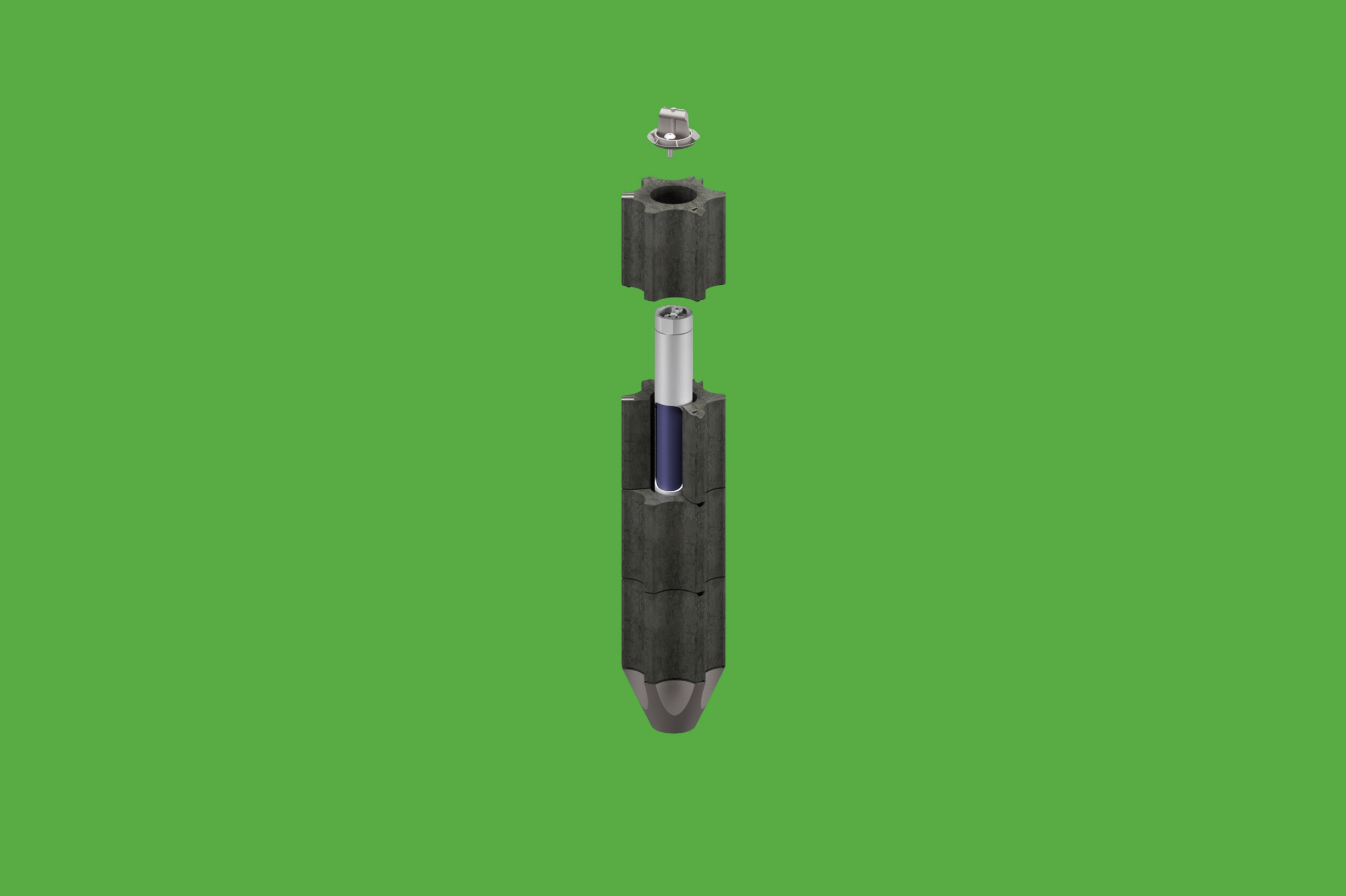
The construction of the reactor core by three-dimensional printing requires the use of computer software specially developed for this purpose, As well as the development of methods capable of verifying the exact specifications of the reactor components during their production in printing processes, Using artificial intelligence techniques. Through these technologies, The Oak Bridge team will manufacture the entire nuclear reactor core through 3D printing from a highly resistant silicon and carbon material that is highly resistant to fusion. The reactor will generate up to 3 MW of power, This is enough to meet the energy needs of more than 1,000 homes.
This programme is a quantum leap in terms of taking advantage of scientific and technological advances that were not available decades ago. Traditional manufacturing techniques for building the reactor core limited the performance of nuclear reactors. But given the ability of three-dimensional printers to fuse metals together layer by layer, Experts will be able to build designs that were previously considered impossible to make. Unlike conventional nuclear reactors, Three-dimensional printing will help nuclear engineers get a better picture of what's happening inside the reactor core. The new designs allow the integration of sensors that provide data indicating the condition and performance of the reactor. Moreover, 3D printing gives more control over the manufacturing process through special algorithms that analyze the data collected by infrared cameras and other sensors to detect any defects that may occur during printing. Despite the restrictions imposed by the COVID-19 pandemic, The Oak Ridge team continued to work remotely to follow up on the completion of the designs and conduct the necessary studies to build the nuclear reactor on time and launch it in 2023.
On the other hand The project seeks to ensure that the knowledge and technologies resulting from the Oak Ridge experiment are transferred to the private sector to provide nuclear energy commercially. A digital platform will be developed in cooperation with other parties to help industrialists adopt 3D printing technologies and others. With the aim of accelerating the spread of nuclear power in the United States.
References: