
In a model that fuses comfort, safety, and technology, Seoul is reshaping traditional urban infrastructure with a forward-thinking vision: transforming the humble bus stop into a springboard for more human-centric, climate-resilient urban living. The city has introduced a new generation of smart bus shelters—climate-controlled, secure, and digitally connected—that go beyond mere utility to offer a glimpse into the future of urban design.
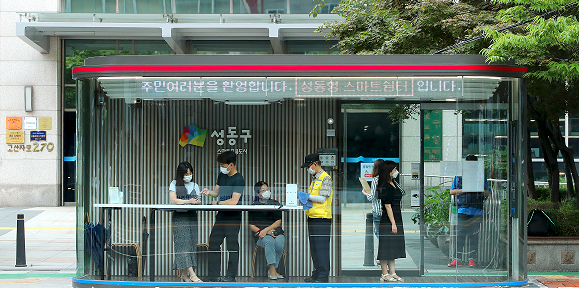
These shelters feature advanced air purification systems, seasonal climate control, ultraviolet disinfection, contactless doors, and real-time digital information displays. They’re also built with inclusive design principles, accommodating people with disabilities and older adults with ease and dignity.
In a metropolis that rarely slows down—where daily life constantly intersects with high-tech innovation—Seoul has turned its attention to one of the most ordinary pieces of urban furniture: the bus stop. No longer just a place to wait, the smart shelter represents a reimagining of what infrastructure can be when approached with both human empathy and technological intelligence.
Seoul, long recognized as a leader in smart city development, chose this time to start at street level—with the sidewalks, and the everyday moments of waiting that millions experience daily. As climate change intensifies summer heat and increases the frequency of fine dust events, the city saw an urgent need to provide safe, healthy waiting environments—particularly for vulnerable populations such as the elderly, people with disabilities, and lower-income residents.
And so, the smart bus shelter was born—not merely to shield riders from sun or rain, but to offer clean air, stable temperatures, live information updates, and even emergency assistance. The project, a collaboration between the Seoul Metropolitan Government, design firm Dwelling, and several technology partners, is a tangible example of what happens when digital innovation meets inclusive urban design.
Inside this next-generation shelter, the experience is anything but typical. Fine particulate matter is filtered out through advanced ventilation systems. Climate control adjusts temperatures to seasonal conditions. Doors open without contact. Surfaces are regularly disinfected with UV light. Every function is touchless—a necessity redefined by the COVID-19 pandemic. Riders are kept informed via smart displays that show real-time bus arrival information, city news, and emergency alerts.
But the intelligence of the shelter extends beyond its gadgets—it’s embedded in the design itself. The space is fully accessible, with ergonomic seating, tactile paths for the visually impaired, and floors optimized for wheelchair use. Security features include surveillance cameras and emergency call buttons connected directly to the police, turning the shelter from a passive space into an active urban refuge.
The first prototype was launched in Seongdong District, one of Seoul’s most densely populated and environmentally sensitive areas. There, the shelter proved it was more than a piece of service infrastructure—it became a micro-climate refuge and a new civic space, small in size but powerful in purpose.
The benefits were immediate. On blistering summer days, the shelter became a cool, clean-air haven for elderly residents and people with respiratory conditions. During heavy dust events, it offered a temporary health sanctuary. And socially, the shelter’s inclusive design helped bridge user divides, creating a space where everyone felt welcome—regardless of age, ability, or economic status.
With its automated collection of environmental and transit data, the shelter is also evolving into a tool for city management. It not only serves passengers but provides the municipality with vital information about population movement and local pollution levels—data that supports more responsive urban planning and crisis preparedness.
What’s striking about Seoul’s approach is its deliberate modesty. Rather than overwhelm citizens with large-scale, hard-to-maintain tech spectacles, the city chose to reinvent one of the most routine urban elements—and turned it into a seamless, human-tech hybrid experience. At a time when cities are under pressure from environmental, health, and social forces, this type of intervention feels less like infrastructure and more like a declaration: that urban futures should begin with the human.
Seoul’s smart bus shelter is a quiet but compelling invitation to the world: urbanization isn’t measured only in skyscrapers, but also in the benches citizens sit on while waiting for the bus. Innovation doesn’t live only in apps, but in how people feel using the simplest public services. The smart shelter isn’t the final destination—it’s a beginning. A starting point for cities that are smarter, more human, and better equipped to meet the future—right from the curb.