MBRCGI Websites
|
Ibtekr.org
|
MBRCGI.gov.ae
|
UAE Innovates
|
Edge of Government
|
Pitch@Gov
Generic selectors
Exact matches only
Search in title
Search in content
Post Type Selectors

Robots stand by humans in the fight against COVID-19

5 minute read
Robots are used in China to sterilize hospitals, examine patients, and deliver medical supplies to hospitals and essential goods to people in quarantine.
Share this content

Healthcare workers responsible for sterilizing highly-infectious areas are at risk of contracting this extremely contagious virus. Doctors and nurses are regularly exposed to COVID-19 while taking temperatures and collecting nasal swabs when examining patients. The staff responsible for sterilizing hospitals face the same danger. On another note, chemical sterilizers may also be dangerous if not handled properly. 

To mitigate risks, China is allocating these tasks to robots. In March 2020, a field hospital with an integrated team of robots was inaugurated inside Hongshan Sports Centre in Wuhan, the epicenter of the COVID-19 outbreak in China. This experimental facility, called the Smart Field Hospital, aimed at alleviating the burden of healthcare workers, even if the outbreak has slowed down in recent weeks.

Robots and other IoT-based devices provide all medical services within the facility, including temperature checks using 5G thermometers to alert the staff in case of a high fever. Moreover, patients wear IoT smart bracelets and rings from CloudMinds to monitor their vital signs, such as temperature, heart rate, and blood oxygen levels. Doctors and nurses also wear the same devices to detect any early signs of infection.

Outside field hospitals, China used robots to help medical staff perform their daily tasks during the outbreak. These tasks include sterilization, as Chinese hospitals benefited from these robots to sterilize rooms with ultraviolet light which decontaminates surfaces without exposing anyone to the risk of infection. Moreover, a healthcare worker is assigned to control the robots from a safe distance.

Some Chinese hospitals adopted mobile robots that were stationed near the entrances to examine patients and check their temperature without human intervention, thus relieving some of the health workers’ burden.

Due to the rapid spread of the virus, people are advised to reduce human interaction to a minimum. Accordingly, technology companies started deploying more robots to perform certain tasks, such as delivering medical supplies within healthcare environments. Furthermore, robots have proven to be effective in delivering essential goods for quarantined people who shop online from home. For example, Meituan Dianping is an application that offers “contactless delivery” through autonomous vehicles and robots.

Robots are also used within e-store warehouses to automate the completion and organization of orders. Alibaba’s logistics company, referred to as the Chinese Amazon, uses robots to organize warehouses and distribute medical supplies to regions that need it the most, like Wuhan, to perform examinations and treat COVID-19 cases.

In another example, the food delivery platform Ele.me has relied on robots to deliver meals for individuals quarantined at hotels in case they were suspected to have contracted COVID-19. Many of these companies have tested the robot delivery service or tried it on a small scale. However, the high demand resulting from the outbreak pushed them to expand the scope of their robotic services. Moreover, robots were also introduced to the kitchen to prepare and serve food in restaurants. 

Resources: 1 2 3 4
Subscribe to Ibtekr to stay updated on the latest government initiatives, courses, tools and innovations
Register Now
Subscribe to Ibtekr’s Newsletter
Innovators’ Mailing List
Our newsletter reaches more than 30,000 innovators from around the world! Stay up to date with innovations from across fields of practice in the public sector.
Subscription Form (en)
More from Ibtekr

Sweden Builds an Electrified Road That Charges Vehicles as They Drive

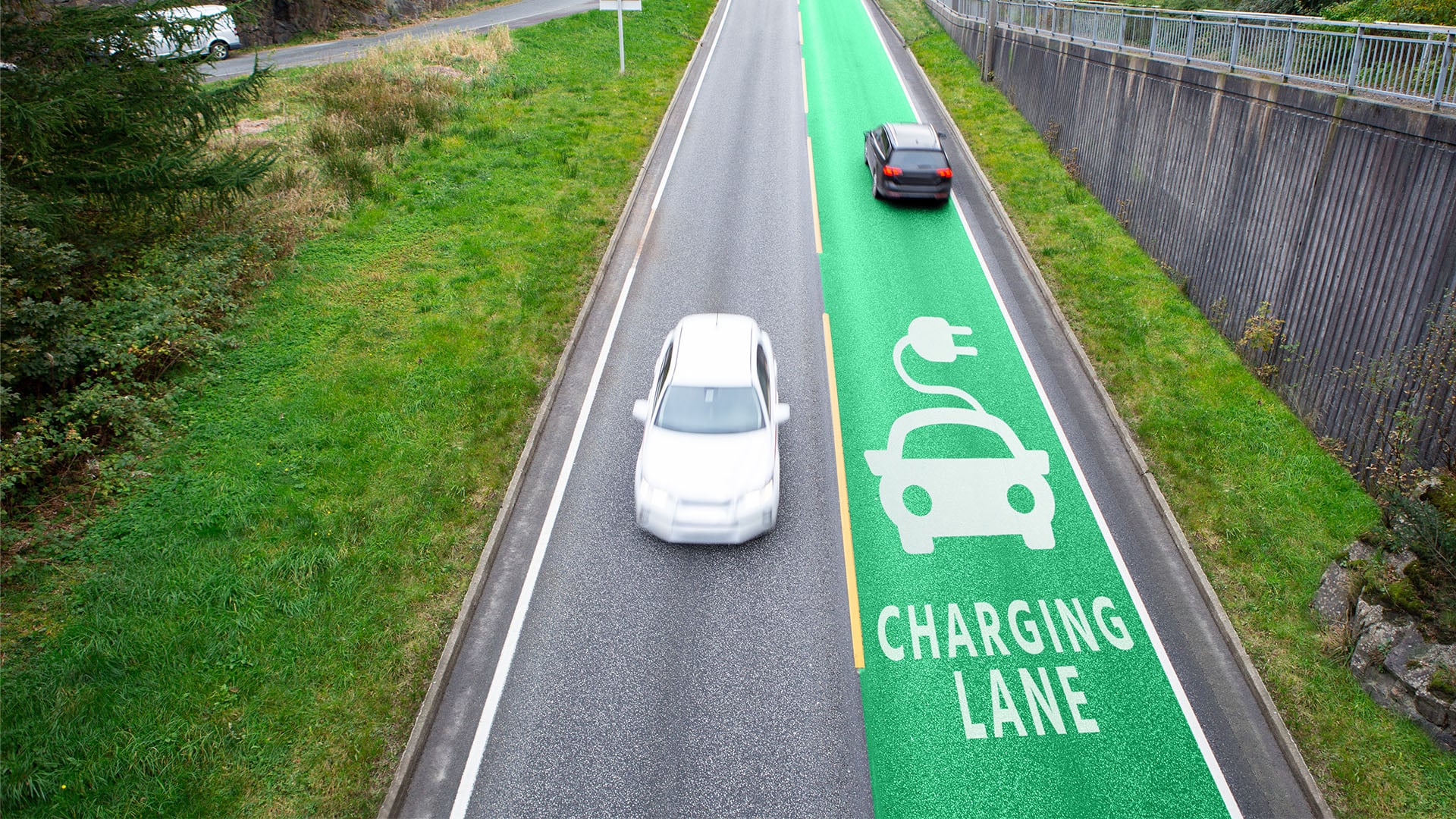
In a project that integrates dynamic charging into road infrastructure, Sweden is constructing the world’s first permanent electrified road—one that can charge electric vehicles while they are in motion. By embedding charging technology directly into highways, the system reduces dependence on stationary charging stations, enables smaller batteries, and boosts efficiency, especially for heavy-duty trucks. It’s […]

 · · 9 June 2026

The Library of Things: When Sharing Becomes a Way of Life

In a project that revives the culture of sharing and transforms libraries and community centers into hubs of service and empowerment, London’s Library of Things offers an innovative model for fairer, more sustainable consumption. Instead of buying tools and equipment outright, people can borrow them for short periods. Through user-friendly digital platforms, members access a […]

 · · 9 June 2026

Food from Thin Air: When Gases Become Protein

In a glimpse of what could reshape the future of food, Finnish company Solar Foods has developed a way to produce edible protein from unconventional ingredients: air, water, and renewable electricity. Using advanced microbial fermentation, bacteria consume carbon dioxide and hydrogen to generate a nutrient-rich substance that requires neither soil nor climate. In 2024, the […]

 · · 9 June 2026

Palau Redefines Tourism: A Passport to Protect the Environment

In a pioneering move that integrates legislation, awareness campaigns, and incentive programs into a unified ethical travel experience, the Pacific island nation of Palau has implemented a globally unique initiative: all incoming visitors must sign an “environmental pledge” printed directly into their passports. The text, co-written by the country’s children, commits tourists to act with environmental and cultural responsibility during their stay.

 · · 11 May 2026

Power in Every Step: How Smart Pavements Are Redefining Walking in Cities

In a redefinition of how humans interact with their cities—and as a response to growing climate challenges and energy demands in smart urban environments, smart pavements equipped with kinetic energy-harvesting technologies are emerging as a sustainable and innovative solution. Using piezoelectric or nanomaterials, these surfaces capture the kinetic energy from pedestrians’ footsteps and convert it […]

 · · 11 May 2026
1 2 3 97
crossmenuchevron-down linkedin facebook pinterest youtube rss twitter instagram facebook-blank rss-blank linkedin-blank pinterest youtube twitter instagram