MBRCGI Websites
|
Ibtekr.org
|
MBRCGI.gov.ae
|
UAE Innovates
|
Edge of Government
|
Pitch@Gov

MyPass Initiative

5 minute read
MyPass maintains information about individuals, including social security number, criminal record, and medical history. Family accounts are divided into two categories: the first contains disclosable data
Share this content

Add to Favorite ♡ 0

Each US state adopts distinct identity verification methods. The US Social Security Administration is responsible for issuing IDs and printing them on small cards made of high-strength paper. Like other documents, these identification papers may be lost, stolen, or used for identity fraud. In case the ID was lost or stolen, a new one can be issued, but it is a challenging process since it requires a long series of verification procedures considered a waste of time.

The homeless are more vulnerable to losing important documents as they lack a safe place to preserve them and are forced to repeat the process of applying for new documents despite the difficulties of not having a permanent residence. MyPass was launched in Austin and is considered a public-private partnership offering medical emergency services in Travis County and the University of Texas. This initiative aims at using blockchain to develop a system to identify the identity of the homeless by improving access to identification documents and public services.

MyPass maintains information about individuals, including social security number, criminal record, and medical history. Family accounts are divided into two categories: the first contains disclosable data and the second involves personal information. This process adopts an Ethereum blockchain-based platform. The city is working with a variety of partners to develop a digital technology that performs the tasks of the notary. This idea was inspired by programs implemented in refugee camps, such as the World Food Program's Building Blocks in Jordan. If someone wishes to apply for a digital ID, they must scan the information first and upload it to a special e-platform where an online notary will verify and validate this information. The information is then saved in a digital locker and the metadata is appended to the blockchain. The ID can be verified and linked to an email address or mobile phone number. Once the individual performs any operation to benefit from the services, this process is recorded by an independent ledger using blockchain to be validated by the approved individuals and entities.

As the project is still in the pilot phase, it is currently facing some challenges in officially launching the basic system. These challenges are caused by several reasons, including how hard it is to visualize the concept of blockchain because there is no agreed-upon definition for this technology due to the lack of governmental regulations. These issues are exacerbated by account verification procedures in case of a forgotten password or modified access credentials, such as email address. However, in a serious step to proceed with the project's implementation, the city hosted a hackathon to address the challenges in developing MyPass.

This service will generate major benefits upon its launch. For example, large sums of money will be saved by avoiding the duplication of efforts, and thousands of homeless people in Austin will have access to this service. A range of services is expected to be included within the MyPass Initiative in Austin, including housing services, mental health services, and medical prescriptions.


Subscribe to Ibtekr to stay updated on the latest government initiatives, courses, tools and innovations
Register Now
Subscribe to Ibtekr’s Newsletter
Innovators’ Mailing List
Our newsletter reaches more than 30,000 innovators from around the world! Stay up to date with innovations from across fields of practice in the public sector.
Subscription Form (en)
More from Ibtekr

When Data Warms Homes: Denmark Utilizes Data Centers Heat

In an innovative approach that transforms an environmental problem into a sustainable solution, Denmark is repurposing excess heat from data centers to warm thousands of homes. Instead of wasting energy, projects led by tech giants like Microsoft and Meta are channeling this heat through advanced heat pumps into local district heating networks — reducing carbon emissions and providing stable home heating.

 · · 15 December 2025

Resilient Corals Help Degraded Reefs

As coral reefs teeter on the brink—battered by climate change, pollution, and overfishing, the world stands to lose not just vibrant underwater landscapes, but entire ecosystems that sustain marine life and millions of people. Enter Coral Vita, an ambitious startup that’s flipping reef restoration on its head by growing coral on land using a mix of cutting-edge techniques like microfragmentation and assisted evolution—dramatically accelerating coral growth and boosting resilience in warming seas.

Data-Driven Harvests: How Precision Farming Is Redefining Agriculture in India

As Indian farmers grapple with the compounded pressures of climate change, soil degradation, and dwindling resources, a quiet digital revolution is taking root in the country’s fields. A partnership between two companies—Zuari FarmHub and CropX Technologies—is delivering real-time soil intelligence to the palms of farmers’ hands, helping them irrigate more efficiently, fertilize more wisely, and ultimately grow more with less.

 · · 12 December 2025

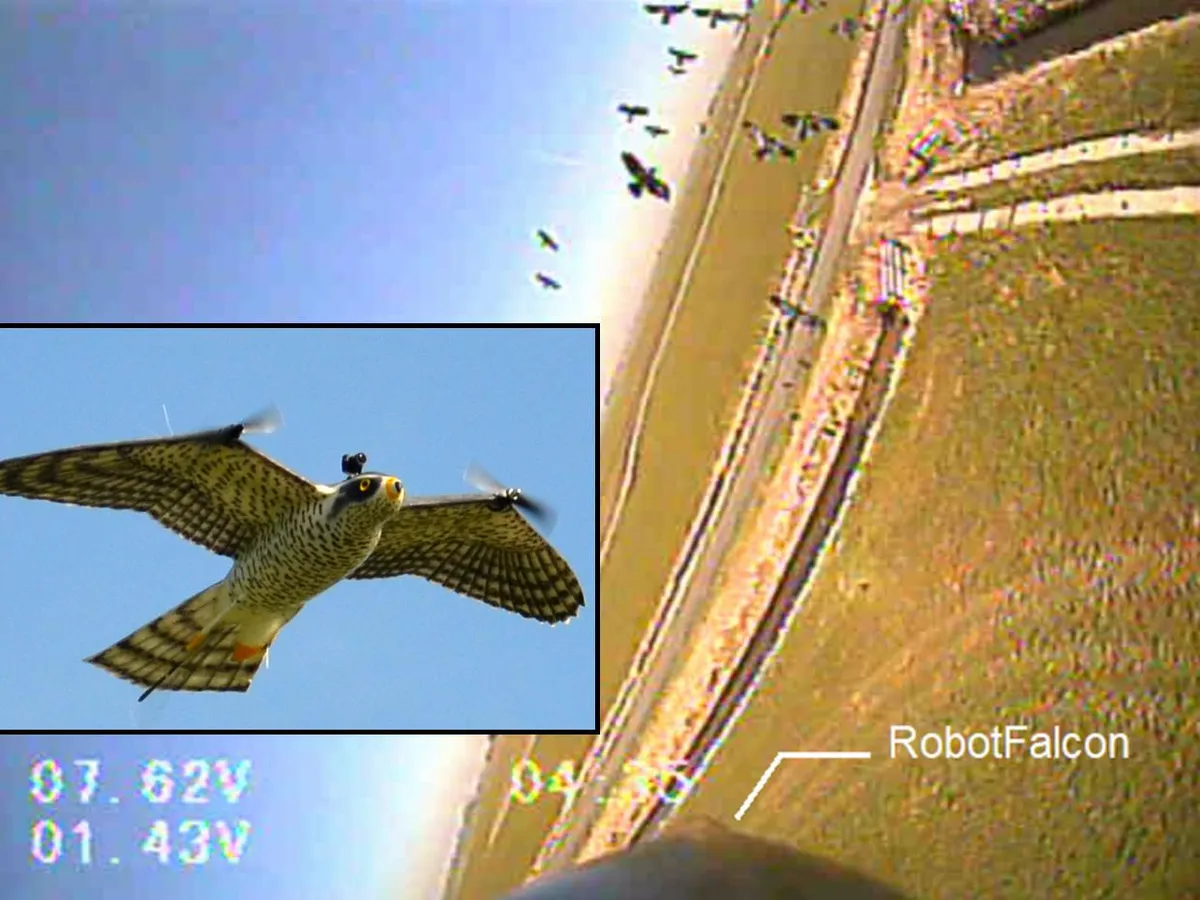
The Robotic Falcon: Guarding Birds from Planes—and Planes from Birds

As aviation continues its relentless expansion, balancing flight safety with wildlife protection remains one of the field’s most stubborn challenges. But a recent innovation—a robotic falcon that merges cutting-edge technology with natural predator behaviour, is offering a novel, perhaps transformative, solution.

 · · 29 October 2025

The Internet of Animals: A Glimpse Into a New Tech Frontier Connecting Wildlife to the Web

In a scene that mirrors the always-on, real-time connectivity of human communication, it's now possible to record every flap of a bird’s wing or the tiniest stir of an insect. This isn’t a science fiction scenario. It’s the unfolding reality of a new generation of remote sensing systems. These tools are revolutionizing the way we track animals, not just to push the boundaries of technology, but to protect and understand the biological diversity that sustains life on Earth.

 · · 29 October 2025
1 2 3 92
magnifiercrossmenuchevron-down