MBRCGI Websites
|
Ibtekr.org
|
MBRCGI.gov.ae
|
UAE Innovates
|
Edge of Government
|
Pitch@Gov
Generic selectors
Exact matches only
Search in title
Search in content
Post Type Selectors

Mexico’s barter market (Mercado De Trueque)

3 minute read
The Government decided to address this challenge and find drastic solutions to promote awareness of the importance of renewable energy sources and the need to reduce greenhouse gases. Consequently, Mexico's barter market project, Mercado de Trueque, was launched to help citizens master recycling.
Share this content

The piles of waste are rapidly growing all over the world and they have become a nightmare that haunts many countries, including Mexico. The volume of solid waste generated by Mexico City is estimated at around 13,000 tons per day. Despite the government’s continuous efforts to foster a culture of recycling among citizens, recycling does not even exceed 1.28 tons.

The Government decided to address this challenge and find drastic solutions to promote awareness of the importance of renewable energy sources and the need to reduce greenhouse gases. Consequently, Mexico’s barter market project, Mercado de Trueque, was launched to help citizens master recycling and separating recyclable waste.

The program provides effective mechanisms to replace certain types of waste, such as plastic, polyethylene terephthalate (PET), tin cans, paper, cardboard, glass containers, and electronic waste, for fresh locally-produced products. The market also incorporates the “green points” mechanism that allows citizens to purchase agricultural products in exchange for their accumulated waste. The market is held every second Sunday of the month and the approved waste weight ranges from a minimum of one kilogram to a maximum of ten kilograms. The price of recyclable waste is higher than the rate set by recycling companies. On another note, the market organizes educational and awareness activities aimed at educating people about the importance of recycling.

Today, nearly seven years after its launch in 2012, the project achieved unparalleled success by attracting 20,000 persons in its first year with the collection os 173,459 tons of waste. The market attracts 4,000 persons per month, replacing 12 tons of waste. The project’s impact does not stop here with other regions, such as Xalapa, seeking to replicate Mexico City’s project by launching several recycling initiatives.
Subscribe to Ibtekr to stay updated on the latest government initiatives, courses, tools and innovations
Register Now
Subscribe to Ibtekr’s Newsletter
Innovators’ Mailing List
Our newsletter reaches more than 30,000 innovators from around the world! Stay up to date with innovations from across fields of practice in the public sector.
Subscription Form (en)
More from Ibtekr

Sweden Builds an Electrified Road That Charges Vehicles as They Drive

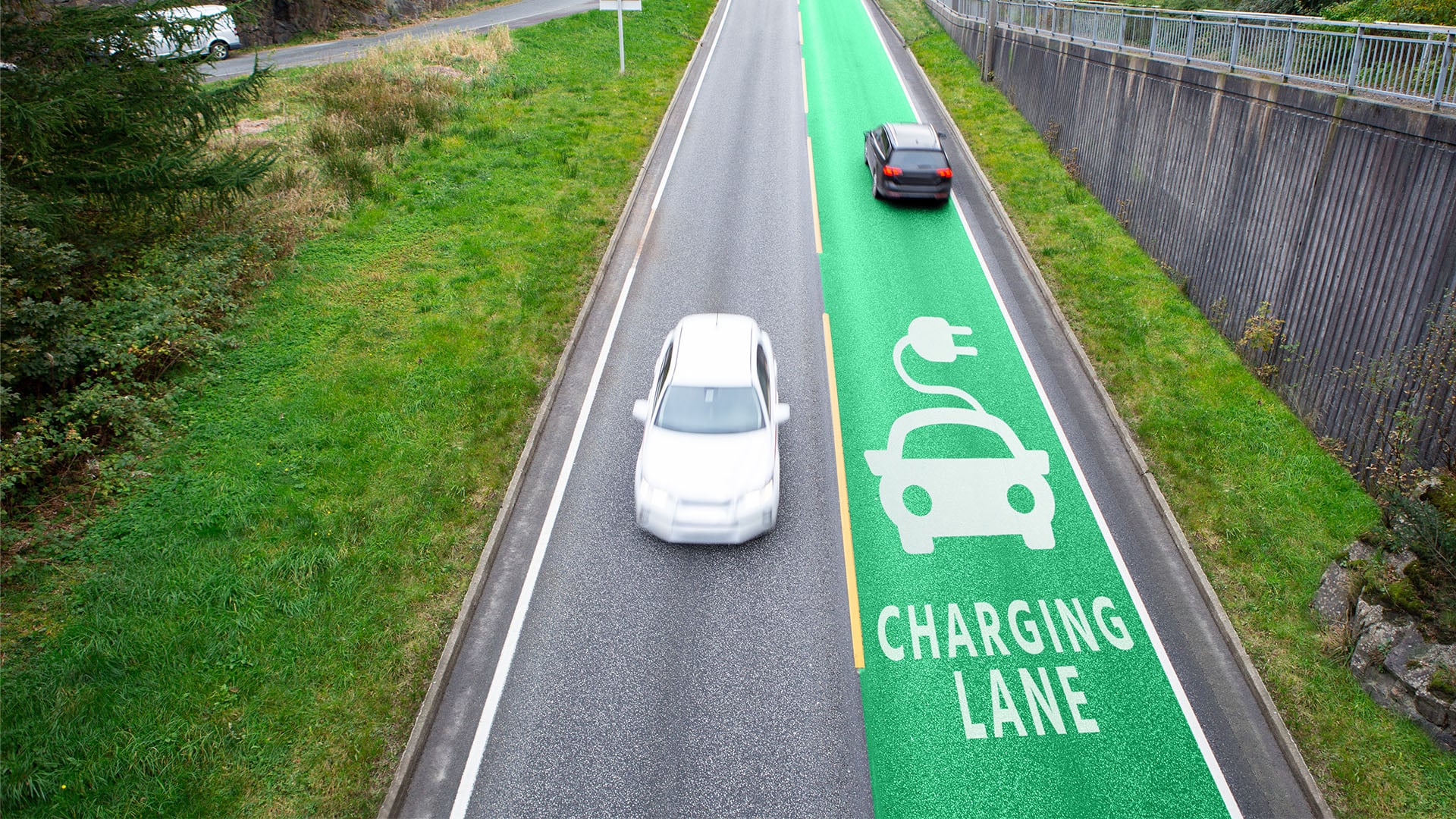
In a project that integrates dynamic charging into road infrastructure, Sweden is constructing the world’s first permanent electrified road—one that can charge electric vehicles while they are in motion. By embedding charging technology directly into highways, the system reduces dependence on stationary charging stations, enables smaller batteries, and boosts efficiency, especially for heavy-duty trucks. It’s […]

 · · 9 June 2026

The Library of Things: When Sharing Becomes a Way of Life

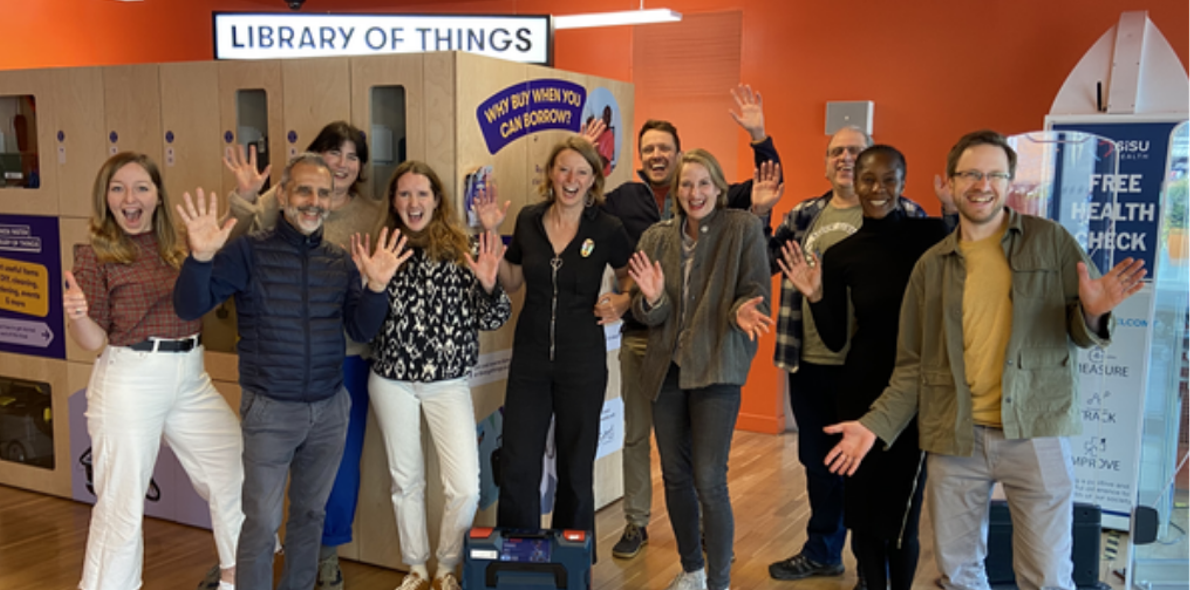
In a project that revives the culture of sharing and transforms libraries and community centers into hubs of service and empowerment, London’s Library of Things offers an innovative model for fairer, more sustainable consumption. Instead of buying tools and equipment outright, people can borrow them for short periods. Through user-friendly digital platforms, members access a […]

 · · 9 June 2026

Food from Thin Air: When Gases Become Protein

In a glimpse of what could reshape the future of food, Finnish company Solar Foods has developed a way to produce edible protein from unconventional ingredients: air, water, and renewable electricity. Using advanced microbial fermentation, bacteria consume carbon dioxide and hydrogen to generate a nutrient-rich substance that requires neither soil nor climate. In 2024, the […]

 · · 9 June 2026

Palau Redefines Tourism: A Passport to Protect the Environment

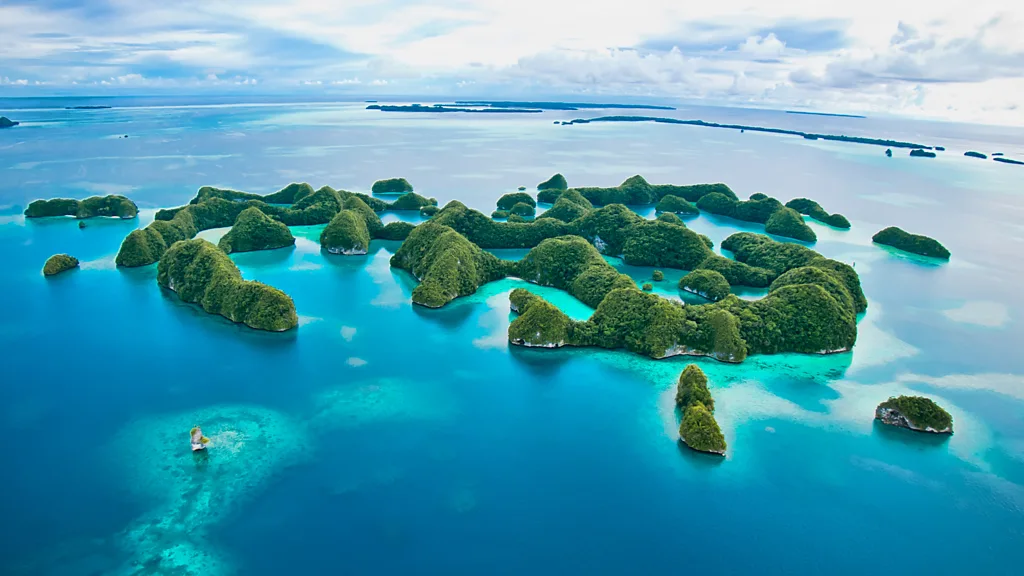
In a pioneering move that integrates legislation, awareness campaigns, and incentive programs into a unified ethical travel experience, the Pacific island nation of Palau has implemented a globally unique initiative: all incoming visitors must sign an “environmental pledge” printed directly into their passports. The text, co-written by the country’s children, commits tourists to act with environmental and cultural responsibility during their stay.

 · · 11 May 2026

Power in Every Step: How Smart Pavements Are Redefining Walking in Cities

In a redefinition of how humans interact with their cities—and as a response to growing climate challenges and energy demands in smart urban environments, smart pavements equipped with kinetic energy-harvesting technologies are emerging as a sustainable and innovative solution. Using piezoelectric or nanomaterials, these surfaces capture the kinetic energy from pedestrians’ footsteps and convert it […]

 · · 11 May 2026
1 2 3 97
crossmenuchevron-down linkedin facebook pinterest youtube rss twitter instagram facebook-blank rss-blank linkedin-blank pinterest youtube twitter instagram