
Sweden's government innovation agency, Vinova, directed Recently, its interest in the issue of self-sufficiency in plant food products, which is witnessing a growing demand in the Kingdom, This is done through the financing of 17 distinctive local projects by private companies and government institutions with a total value of 2.5 million euros (2.83 million US dollars).
Sweden relies on imports to meet the majority of its needs for vegetables, legumes and plant materials used in food preparation. Historically, it lacks some of the elements or incentives of traditional agriculture, Whether in terms of its attractiveness for investment, the interest of the labor force, or the abundance of natural factors suitable for agriculture in it. The north of the country is very cold, Snow is covered six months a year, Arable land also makes up only a small part of the country's area. However, this area is sufficient for the needs of the population if it is well utilized. Due to the large area of Sweden compared to its population. Despite the abundance of agricultural land in the south of the country, However, the bulk of it is for livestock farms that require large areas of land, grass and water. This is a burden on the government's efforts to reduce greenhouse gas emissions from those farms, Compared to plantations of vegetable crops.
On the other hand Demand for plant-based foods and meals free of animal ingredients in Sweden continues to rise. This is offset by a decline in meat consumption. The rate of this decline during the year 2017 was about 2.7%. According to one study, 9% of young people aged 24-15 in Sweden describe themselves as vegetarians. Notably, 30% of respondents reported that they were seriously seeking to reduce their meat consumption. While in the past people basically abstained from eating meat out of moral motives, Today, the reasons are multiplied to include health drivers and contributing to mitigating climate change.
In light of these data, The agency "Finona", It is the government entity that finances research and development activities with the aim of creating innovative and effective systems in several sectors in Sweden, The best approach to take is to work on the plurality of solutions and approaches. It has selected projects that include food companies, agricultural organizations, municipalities and research bodies, It aims to increase the competitiveness of the local plant food sector in terms of prices, quality and innovation, And help him to make sustainable use of domestic resources in light of the growing market demand. Most of these projects focus on products based on protein-rich crops that are available locally or can be mass-produced in Sweden. Including legumes, cereals, algae, mushrooms, potatoes and others.
One of the projects that received funding, for example, specifically targets the large segment of consumers who are seriously striving, or have the desire, by reducing their consumption of meat or dairy products, By offering products similar to their favorite products in shape and taste, However, it relies on locally produced beans for its main ingredient. Within the recipes of preparation is currently being developed. Beans have many advantages, of which it is rich in proteins, It can also be easily grown in the soil and climate of Sweden. The project includes a complete business model outline, From the selection of bean beans to the commercialization of products. In addition Local bean preparations can be an alternative to imported soybeans, It is abundantly used in the preparation of plant food in Sweden.
Another project seeks to apply a study by Lulea University of Technology to match labour skills with resources available in northern Sweden (Norland) to take advantage of the opportunities the region offers in agriculture. Despite the availability of unused agricultural land in the north, The region is classified as low in self-sufficiency indicators in the field of plant foods, compared to the rest of Sweden. The long-term aim of the project is to support smallholder farmers within Norland's plant food industry to enable them to increase the productivity of their farms from an environmental, economic and social sustainability perspective.
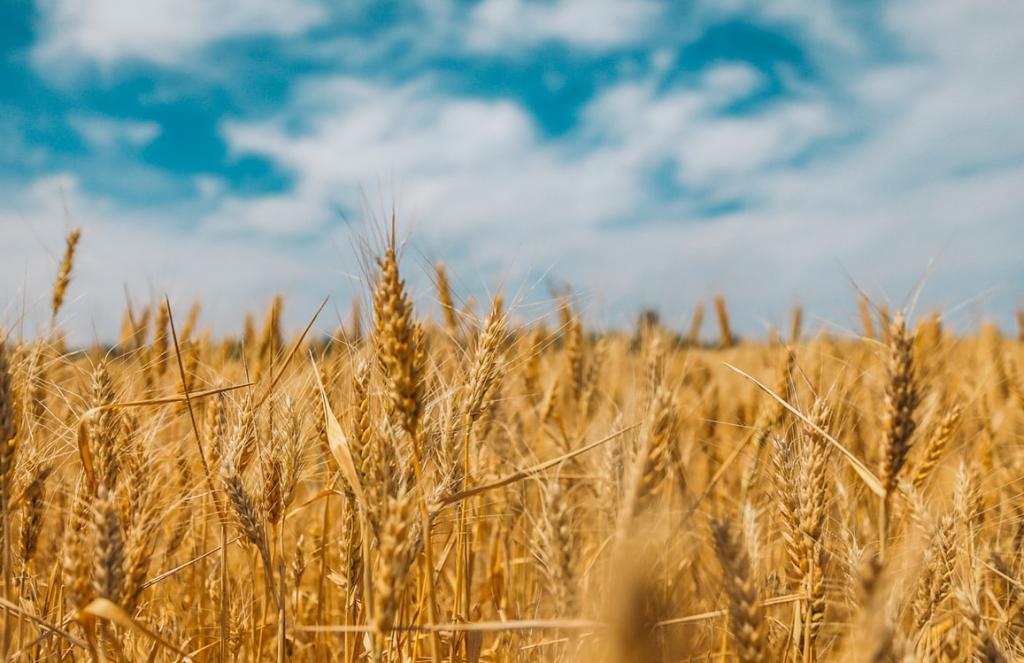
In the search for plant-based alternatives that replace meat consumption, At the same time, they are rich in minerals necessary for human health, Whole grains (not bran-owned) are highlighted due to their many minerals. But these pills have not received the attention they deserve in terms of their health value. This is partly because they contain "antinutrients" that prevent the body's absorption of essential minerals. This project, led by the municipality of the city of Södertalje, seeks to overcome this obstacle in rye, oats and barley crops to help the body take full advantage of the minerals contained in these grains.
Besides the goal of meeting the growing demand of the Swedish population for plant foods locally as much as possible, In which the agency "Vinova" finds an opportunity to achieve self-sufficiency in the future in the production of protein-rich crops in the Kingdom, As well as helping the agricultural sector to grow and raise its level of competitiveness and sustainability, The IAEA also seeks to contribute to the achievement of climate change mitigation goals by supporting the population's trend towards reducing their meat consumption and replacing it with plant foods. This would contribute to reducing greenhouse gases from livestock farming activities. Studies show that one-third of the impact of Swedish household activities on the climate is due to food consumption.
In this context, The Swedish National Food Agency has published an easy-to-use guide on how to eat healthy and environmentally friendly. generally aims to encourage consumers to reduce the intake of meat products, especially red, And replace it with more whole grain preparations, vegetables and fruits. This is in addition to healthy edible oils and more fish products to reduce the risk of the most common chronic diseases, Especially cardiovascular diseases, obesity and diabetes, and some cancers. The Guide does not impose its advice on the consumer, Rather, it allows him to choose from three classifications of staple foods according to their impact on health: Ideal (green), and relatively acceptable (in yellow), Which should be avoided (in red).
References:
- https://www.themayor.eu/en/a/view/sweden-wants-to-connect-increased-demands-for-plant-based-foods-to-self-sufficiency-9359
- https://www.vinnova.se/en/news/2021/11/the-plant-based-everyday-food-of-the-future/
- https://www.fao.org/nutrition/education/food-dietary-guidelines/regions/sweden/en/
- https://www.weforum.org/agenda/2019/08/this-is-why-denmark-sweden-and-germany-are-considering-a-meat-tax
- http://www.tryswedish.com/eat-like-a-swede/vegetarian-and-vegan-food-innovators-from-sweden/