
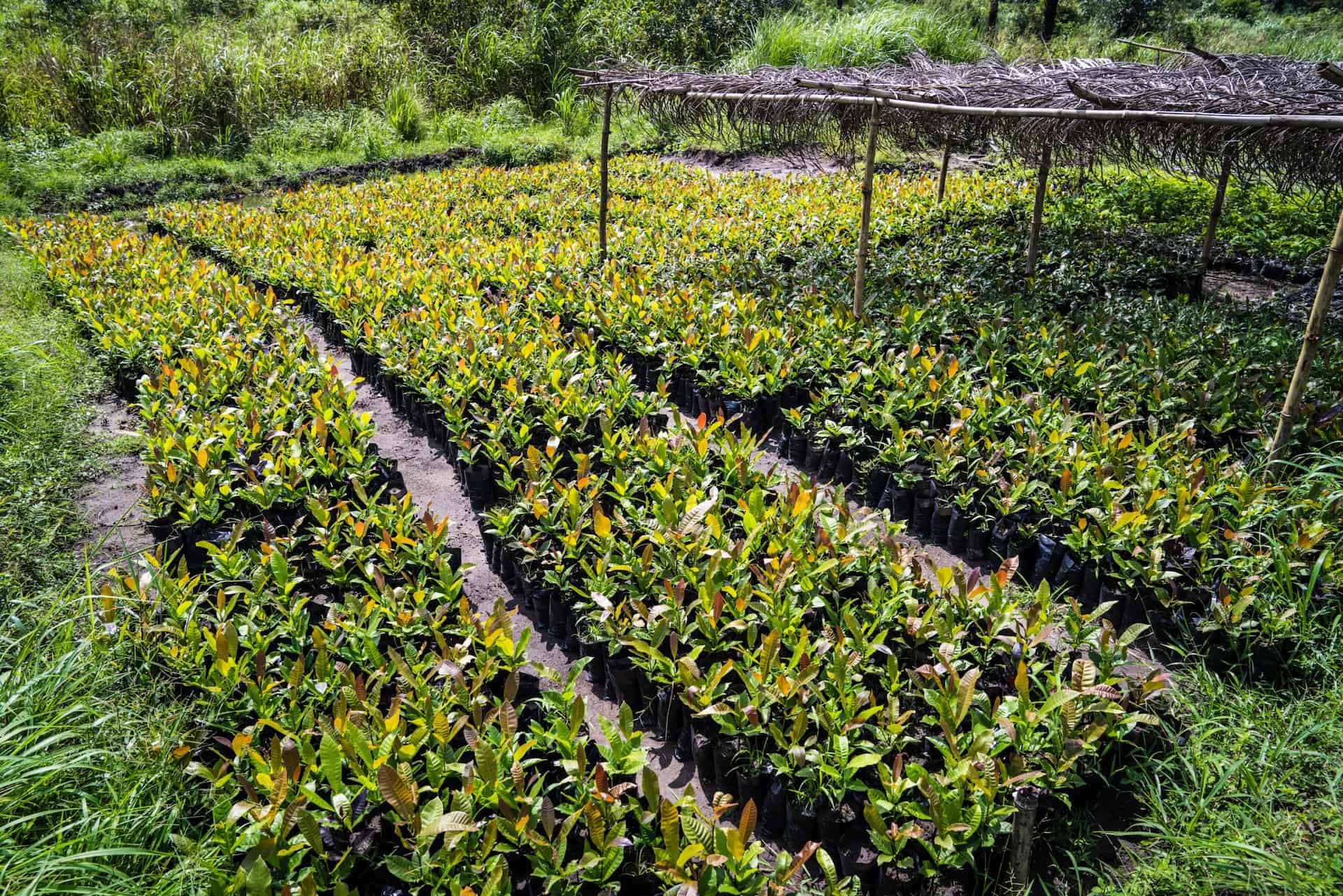
Some people adopt pets. In Freetown, Sierra Leone, residents are adopting trees. As part of a bold effort to counter environmental degradation, the city has launched a unique urban reforestation initiative powered by a simple yet smart digital app. This platform allows citizens to “adopt” trees, track their growth with real-time data and images, and contribute to cleaner air, cooler streets, restored biodiversity—and even new green jobs.
Across many cities in the Global South, climate challenges are escalating. But instead of surrendering to rising temperatures and unchecked urban sprawl, Freetown is choosing to plant resilience—literally. The city’s strategy isn’t about photo-op planting campaigns with little follow-up. Instead, it’s built around a digital model where every tree is linked to a person, every act of care is tied to a payment, and every image uploaded to the app is a small step toward a more livable, greener future.
Over the past decade, Freetown has faced compounding environmental crises: from the disappearance of hillside vegetation and deadly landslides—like the 2017 Sugar Loaf disaster—to seasonal flooding, deteriorating air quality, and record-high urban temperatures. As green spaces shrank and informal construction surged, trees became scarce and ecological balance unraveled.
Yet the city’s response didn’t originate from global institutions or foreign aid. It came from within. In 2020, under the leadership of its mayor, Freetown launched the “Freetown the Treetown” campaign, with an ambitious target: plant one million trees by 2023. But the real innovation wasn’t just in the scale—it was in the system designed to ensure those trees survive.
The breakthrough came through a deceptively simple app. Residents—often women and young people—can register to care for newly planted trees, upload geotagged photos, and track growth metrics. Their monthly payments are conditional, released only if app updates confirm that the tree is alive and thriving. This structure transforms tree care into income generation, and survival into a funding trigger.
The platform also enables a global connection. Anyone, anywhere, can sponsor a tree in Freetown and monitor its progress, bridging local environmental action with international solidarity. Trees become more than carbon sinks—they become nodes in a global network of smart, transparent, and participatory reforestation.
By 2023, the results were tangible. Over 850,000 trees had been planted, with significantly higher survival rates than typical campaigns. Urban temperatures fell, air quality improved, and biodiversity began to return. Perhaps most notably, thousands of green jobs were created—especially for groups often excluded from the formal economy.
But the initiative’s impact goes beyond ecology or employment. It redefined civic identity. When every person has a tree to care for, the concept of ownership shifts—from legal entitlement to moral commitment, from passive inhabitance to active participation in shaping the city’s future. And the model’s transparency and measurability opened new avenues for funding. Carbon offset buyers and impact investors have begun viewing Freetown as a testbed for scalable, results-driven climate action.
Now, with growing recognition from international networks like C40 Cities, Freetown’s model is gaining traction as a replicable blueprint for other cities facing similar pressures. Its blend of low-tech innovation, local empowerment, and verifiable outcomes offers a powerful alternative to top-down, resource-heavy climate solutions.
Freetown offers a clear lesson: meaningful climate action doesn’t always require complex tech or massive budgets. It needs political will, smart tools, and communities ready to be part of the solution. The city has redefined how we think about trees—not as passive greenery, but as financial assets, sources of pride, and instruments of shared responsibility.
And perhaps most importantly, Freetown has shown that when communities are trusted, equipped, and incentivized, they don’t just plant trees—they cultivate hope.
Reference:
C40 Knowledge Hub: Freetown’s Highly Replicable Way of Self-Financing Urban Reforestation