There is a growing effort in many cities to change the way urban spaces are designed and planned. Instead of prioritizing and organizing cities around cars and their needs, there’s a movement to prioritize the well-being and needs of people who live in these cities. Among those efforts are examples of pioneering cities, such as: Barcelona’s superblocks, Paris’s out-of-the-box traffic regulations, Oslo’s establishment of a low-carbon emissions zone, Stuttgart’s sustainable planning initiatives, and Los Angeles’ experimental program centered on green spaces and underserved communities. These examples share a common goal which is to enhance health and wellbeing, strengthen community bonds, and promote sustainability.
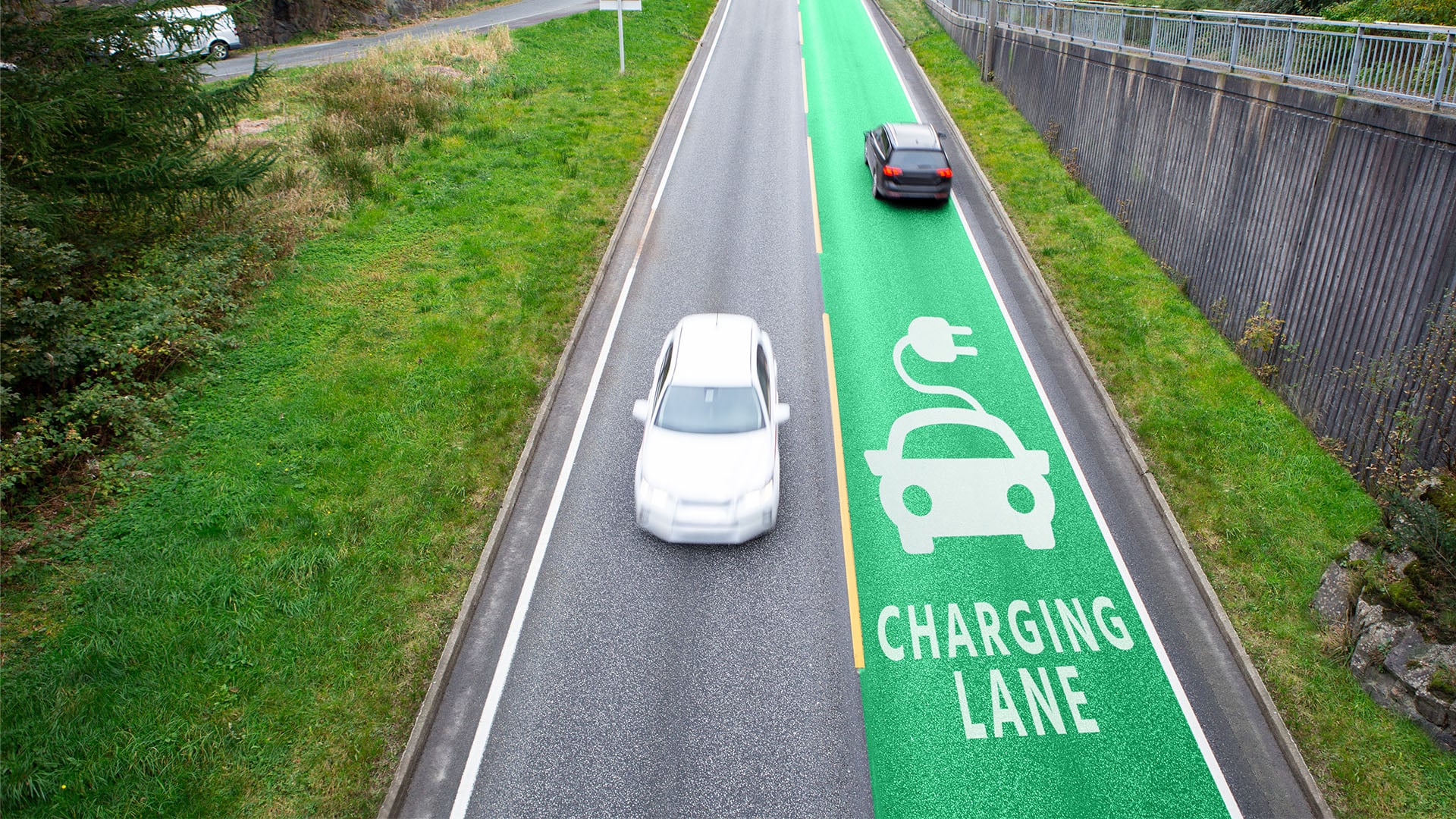
What these cities have strived to achieve stands in contrast to the stereotypical image of a city: towering buildings, massive crowds of people bustling to and fro, cyclists navigating through traffic, and endless rows of cars and buses congesting roads, causing noise pollution, and emitting exhaust fumes.
This city image represents real urban challenges impacting people’s health and wellbeing, like worsened mental and physical health, heightened risks of traffic accidents, and health concerns arising from the “urban heat island” effect which refers to daytime heat stored in asphalt and released during the night.
A few decades ago, the city of Barcelona introduced an innovative concept called “superblocks.” Superblocks are wide streets where buildings appear stacked in geometric blocks with cut-off corners. Within these superblocks, movement is restricted to pedestrians and cyclists, while traffic is diverted to the outer roads. Today, the city’s Office for Urban Ecology of Barcelona’s municipality oversees a plan to create 503 new residential superblocks by 2030.
Several other cities have adopted the idea of reducing traffic, such as the city of Paris. The capital of France has launched the “Paris Breathes” initiative in mid-2016. The initiative aimed to create spaces where people could move freely without the nuisance of cars. In a bustling city like Paris, the optimal way to reduce traffic was by designating certain times during the week or weekends when car traffic was prohibited in specific areas or neighborhoods.
In the Norwegian capital, Oslo, authorities opted to establish a low greenhouse gas emissions zone within the city. They have set maximum emission levels for diesel vehicles, beyond which vehicles were not allowed to travel on roads (with the exemption of main roads).
In Germany, the city of Stuttgart created a sustainable development plan and decided to incorporate high-quality residential clusters. Since the plan included goals to achieve climate neutrality by 2035, the government was determined to create three such residential clusters, despite the geographic challenges of being located in a valley surrounded by hills. The new clusters would integrate with environmentally friendly transportation methods to reduce traffic noise and air pollution in residential areas.
In Los Angeles, the municipal authorities have implemented their own iteration of superblocks with the aim of establishing quiet, secure, and environmentally friendly areas in select regions. The local transportation department is actively engaged in the reconfiguration of traffic flow within designated city zones and are currently in the process of identifying optimal sites that align with the city’s requirements. The local authorities are also focused on catering to underserved communities that are lacking public space access, contending with elevated population densities, grappling with pronounced health disparities, or demonstrating a heightened interest in program participation.
However, the road ahead for these models is still long and fraught with many challenges to be faced in the planning and implementation phases. The primary challenge to these projects, especially with the increasing reliance on delivery services, is local opposition from either residents or institutions that rely on cars for transportation. Nevertheless, many governments argue that the goal is to have people spend more time in green spaces for social and recreational activities. Gradual implementation can also mitigate the risk of resistance from the public. This will also help with solving logistical problems, gauge the public’s response, and make the necessary adjustments to the plan.
The second challenge is that the attempt of reducing traffic within residential clusters may lead to congestion on main roads connecting them. This potential problem can only be mitigated through precise planning by fully understanding the traffic patterns in the city. Cities seeking to address major issues such as pollution and congestion should not neglect the daily needs of its residents. The key to achieving this would be to maintain the balance, and that involves meeting the needs of vulnerable community groups like seniors and individuals with disabilities.
It has been shown that the process of tackling these challenges is different from one city to another based on their unique strategies, capabilities, and circumstances. Some cities adopt a more tactical approach by initiating temporary infrastructure changes, well before the full-scale implementation process, as a trial to learn from. While this approach may be costly in the short term, such as creating an irrigation station or repainting a facility, it allows for rapid implementation to validate concepts before applying them on a larger scale.
In conclusion, the Superblocks design improves space utilization and returns it to its rightful owners – the people. It would restrict vehicle movement, and promote active, healthy, safe, and sustainable mobility patterns. In addition to that, it would enhance social and cultural activities that continue in the remaining parts of the city. It promises to offer residents a better and quieter lifestyle, reduces emissions, and translates into expansive green spaces. This could lead to better air quality, fewer diseases, milder climate change effects, and less impact from climate change.
References:
- https://english.elpais.com/elpais/2020/01/14/inenglish/1579002974_078719.html
- https://www.vitoria-gasteiz.org/wb021/was/contenidoAction.do?idioma=en&uid=u_1e8934a8_12e47a4954c__7ffd
- https://www.green-zones.eu/en/blog-news/norways-low-emission-zones-explained
- https://www.archdaily.com/1004908/los-angeles-plans-to-implement-the-park-block-pilot-a-car-free-grid-inspired-by-barcelonas-superblock-model#:~:text=Los%20Angeles%20officials%20have%20voted,reported%20by%20NBC%20Los%20Angeles
- https://www.themayor.eu/en/a/view/stuttgart-wants-barcelona-style-superblocks-11702
- https://www.politico.eu/article/barcelona-green-spaces-mental-health-superblocks-eixos-verds/
- https://www.rifs-potsdam.de/en/blog/2023/04/15-european-cities-leading-urban-resilience-first-international-superblock-meeting