
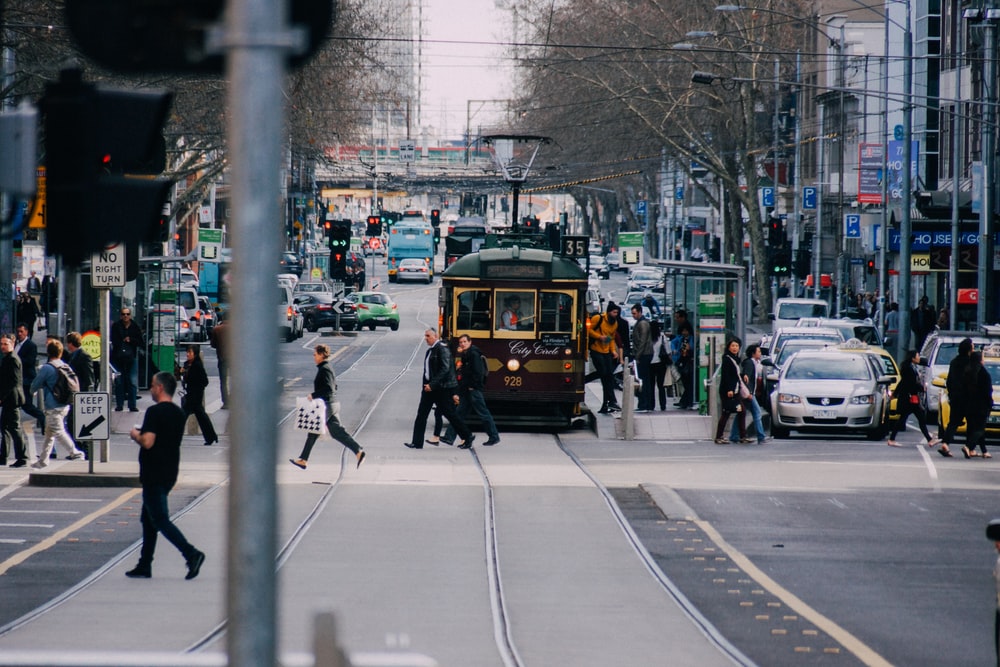
The Municipality of Melbourne conducted an experiment using artificial intelligence techniques to develop a clearer picture and a deeper understanding of waste disposal behaviors. allowing the relevant authorities to address this issue more efficiently, Maintain the cleanliness and security of streets and pedestrian areas and reduce the burden of illegal waste removal work.
With the increase in population and the consequent increase in the volume of waste generated by life in cities, One of the most important challenges facing municipalities is exacerbating which is usually responsible for keeping cities, facilities and streets clean. Waste accumulation is not just a matter of cleanliness, Rather, it contributes negatively and directly to environmental pollution and the consequent serious health and environmental damage, Unless disposed of in safe ways and in designated places. One of the countries that has recently been interested in addressing this challenge is Australia, which suffers from some negative phenomena in relation to waste disposal and recycling or illegal waste disposal behaviours. This prompted the city of Melbourne to collaborate with Nokia to plan a test that employs artificial intelligence techniques to develop a deeper understanding of waste disposal behaviors. By taking advantage of an existing network of cameras installed to monitor waste disposal and compression centers, In addition to analyzing data, producing reports and presenting them to decision-makers.
The Municipality of Melbourne has already prepared large-capacity facilities for residents and businesses that allow them to dispose of waste. This is to reduce the number of visits made by waste collection contractors to crowded areas. After the commencement of operation of these facilities, The City Council recognized the need to understand the ways in which residents and business owners benefit from this service and to look for ways to overcome the phenomenon of illegal dumping, This entails health and hygiene risks in the region.
The experiment falls within the framework of a more comprehensive initiative dedicated to testing emerging technologies in improving the country’s services by providing an opportunity for various entities to find solutions that rely on Internet of Things (IoT) and the “fifth generation” network for communications (5G). and other new technologies. The initiative provides the Municipality of Melbourne and other stakeholders with the conditions to test smart solutions in order to contribute to building an ideal future in which emerging technology ensures the benefit of the city and its residents. And for companies that provide this type of service as well.
On this basis, The Municipality of Melbourne has moved towards establishing a partnership between the public and private sectors as a way to attract emerging private sector technologies to serve public interests, Which crystallized in a partnership with Nokia, One of the leading companies in building optical and wireless networks in the world. Within the framework of this partnership, An existing network of IoT cameras has been leveraged to monitor a waste dumping and compaction facility. Melbourne City then used Nokia’s proprietary technologies that analyse camera recordings visually and in real time with an AI-powered algorithm that recognizes and classifies optical input in order to identify any potential hazard.
This test allowed the municipality to monitor the functioning of the facility in real time and detect damages. Through these techniques, the nature of the waste disposed of in the facility was determined, In order to demonstrate the extent of damage to the facility’s equipment from waste placed in places not designated for it, Also identify the type of waste that can pose a risk to municipal facilities and workers. Activities outside the usual range indicating illegal waste disposal, often at night, were detected in the experiment.
The controls have also allowed the Municipality of Melbourne to better understand the relationship between illegal waste dumping behaviours and potential facility failures to equip maintenance teams. In addition to avoiding hazards, and identify obstacles to the access of service vehicles, Modify its programme of work to reduce unnecessary visits, Thus mitigating the carbon dioxide emissions associated with those activities.
The pilots in Melbourne City say it would ensure better cleanliness in the city and mitigate environmental pollution and its consequences. In the future, the collected data can be used to issue periodic reports and statistics to be presented to the community to educate citizens about the importance of adhering to laws and guidelines related to waste disposal or to decision-makers to help them develop appropriate and evidence-based policies.
References:
https://participate.melbourne.vic.gov.au/emerging-tech-testbed
https://www.smartcitiesworld.net/news/melbourne-undertakes-ai-powered-trial-for-smarter-waste-6759