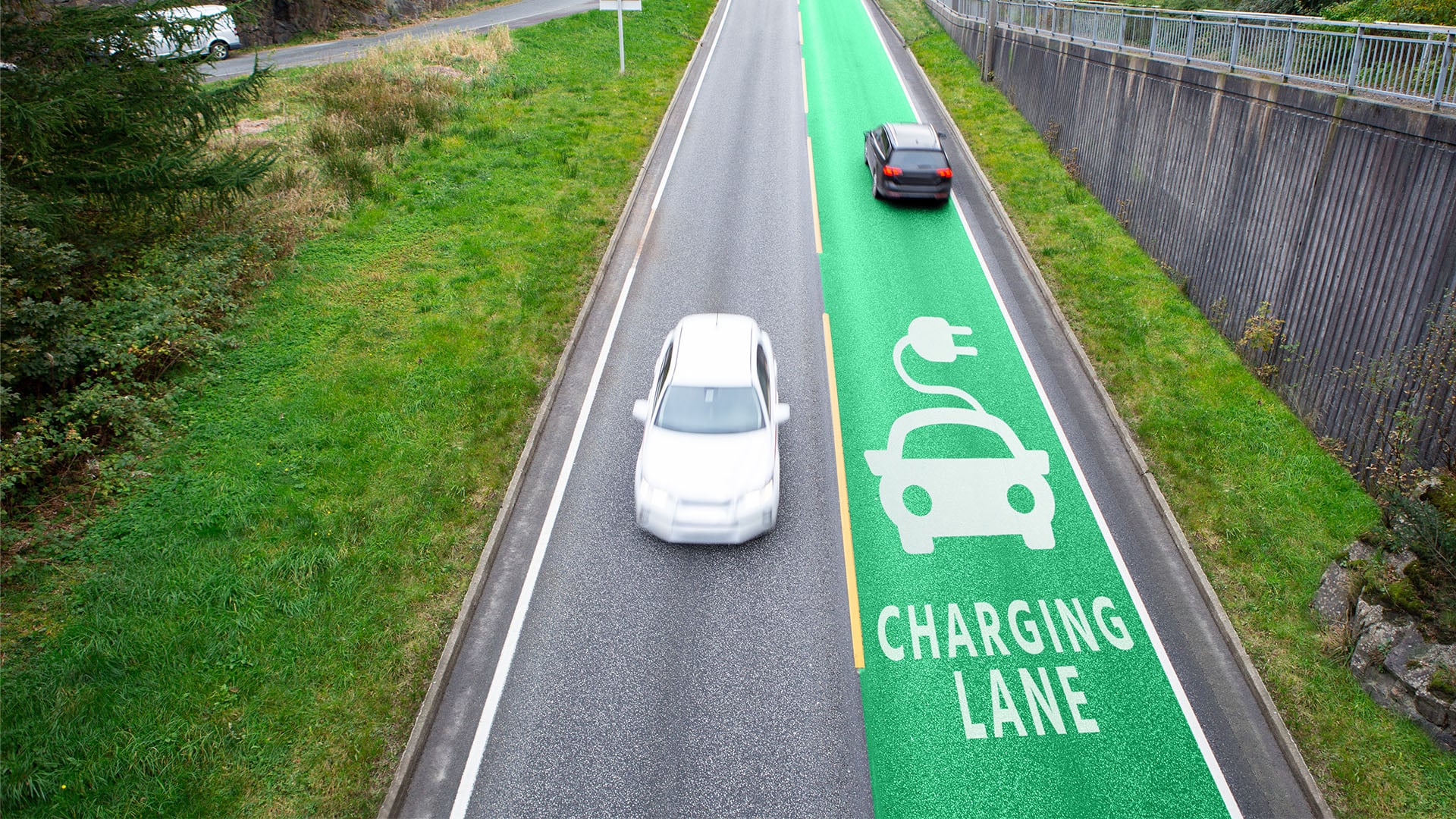


Clean air has emerged as one of the top national priorities in South Korea, hence, it began taking urgent actions to protect the health of its citizens from pollution, such as dealing strictly with pollutants, increasing vegetation, abandoning diesel engines, and moving to a sustainable transportation system.
In today’s era, breathing clean air has turned into an advantage that most people find difficult to enjoy after pollution has reached alarming levels, especially in cities. Given the health problems caused by air pollution, governments around the world are working to eliminate it.
Air pollution is the most pressing environmental crisis that causes more than 7 million premature deaths each year. To make it clearer, describing fresh air as an advantage means that 90% of people breathe unclean air, and face the risk of developing asthma, heart disease, and lung cancer. Just as it affects human health, pollution affects the health of the planet, and many of the causes of air pollution are also causes of climate change.
Obviously, this phenomenon is acute in urban environments and appears to be more severe in some countries than others, as it is closely commensurate with the population’s lifestyle and the nature of the economy. Therefore, South Korea, for example, saw one of the highest rates of air pollution in the world, especially in the capital, Seoul, which witnessed, between 2009 and 2013, the highest average concentration of toxic particles in the air compared to its counterparts in major capitals such as Paris and London. Experts estimate that this pollution is behind 16% of deaths in the city in 2010 alone, while the level of toxic particles known as PM2.5 has reached twice the internationally recommended level, which penetrates deep into the lungs and heart, and blood vessels, and poses the greatest risks pertaining to human health.
Due to the Covid-19 pandemic, concentrations of air pollutants dropped in Korea by 27%. However, the break caused by the pandemic should not mask a reality which, in Korea, has a name: fine dust or yellow dust. Yellow dust storm brings harmful particles such as sulfur, carbon monoxide, heavy metals, and other carcinogenic materials. This does not affect Korea alone but includes the rest of East Asia, which is in dire need of solutions to save its future.
Therefore, the Korean authorities have taken a serious commitment to reducing air pollution by taking advantage of their technological superiority. A vision that paved the way for the birth of many qualitative innovations.
Accordingly, the Korean government established the “Comprehensive Plan on Fine Dust Management,” which is believed as the most ambitious. The plan aimed to reduce PM2.5 emissions by 35.8 % in 2022.
Among the measures, the government has drawn up a list of areas that have schools, day-care centers, or facilities for the elderly, and has designed extensive measures to control emissions and turn them into clean zones as quickly as possible. The measures included restricting the use of old diesel vehicles and shortening operation hours of emissions facilities. The government also announced plans to plant trees close together along rivers and roads to channel air into the city center.
In addition, the city announced it would ban diesel cars from all public sector and mass transit fleets by 2025.
To protect the country’s future, the authorities decided to install special air purifiers in classrooms across the country and allocated subsidies for the use of LPG fuel on school buses as it is less harmful to the environment.
As robots are an integral part of the Korean landscape, 5G-enabled autonomous robots began rolling through industrial complexes to monitor air quality and offer real-time air quality data to the public. For example, six autonomous robots work around the clock inside an industrial complex, which is about 50 years old, with a control tower and 20 air monitoring stations. With various sensors, robots can also detect abnormal phenomena such as fire or smoke to prevent disasters. Collected air quality information will be used to create big data for the improvement of the quality of life.
While robots monitor the environmental impact on the earth, drones will measure air quality from the air, and monitor emissions and toxic matters in the construction and industry sectors as well as coastal pollution for over 20 minutes for a distance of up to 4 kilometers. As soon as any of the drones detect a high density of pollutants, it sends an immediate notification to the control center for inspectors to go and verify the site’s condition and its management’s compliance with the rules and regulations, and if any violation is detected, those in charge of the facility will face fines or administrative penalties, or even legal accountability.
The Korean Ministry of Science and ICT announced that it would begin to provide its inhabitants with real-time air quality data and data on seven types of air pollutants. The data will be obtained from its environmental satellite, which is launched into orbit in 2020, so it does not have to rely on foreign satellites.
Korea is trying to cooperate with neighboring countries such as China, where Korea initiated a proposal for a joint project to reduce dust and conduct an artificial rain experiment to fight particulate pollution. Besides establishing an integrated air quality monitoring system throughout Korea, the government hopes to increase green space by 30 percent in 2030 and makes sustainable modes of transport. It also aspires to leave the list of the most polluted capitals and join the list of the healthiest and longest-lived communities.
References:
https://tomorrow.city/a/seoul-air-quality-improvement
https://www.unep.org/news-and-stories/story/these-five-cities-are-taking-aim-air-pollution
https://m.me.go.kr/eng/web/index.do?menuId=464
https://www.unep.org/news-and-stories/story/five-cities-tackling-air-pollution