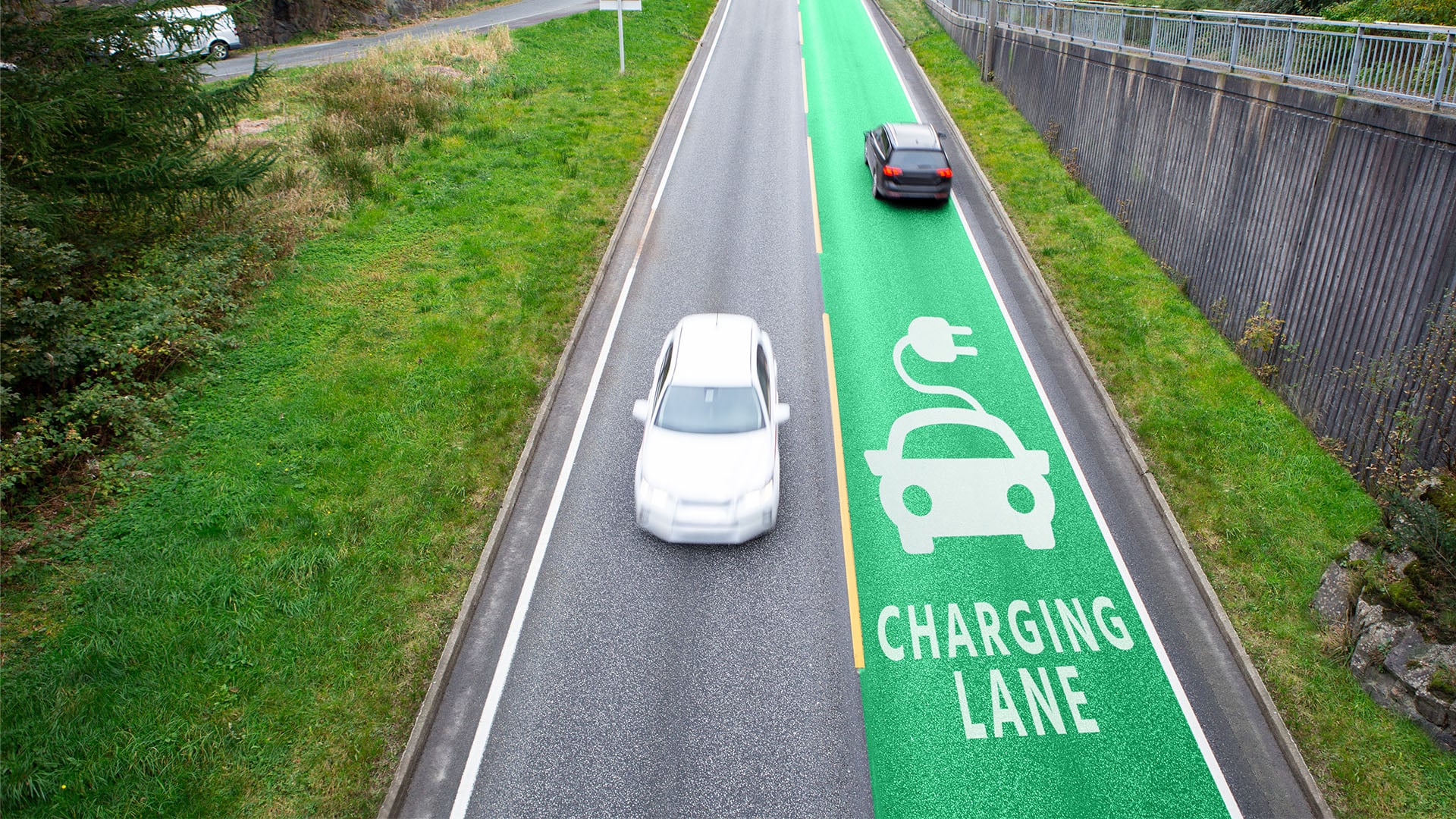


Leaning on a proven track record of technological development, Estonia has adopted a strategy to upgrade its transport system using advanced infrastructure, pedestrian walkways, smart sidewalks and integrated systems that will make traffic smoother and safer.
Humans domesticated horses 9,000 years ago, And they invented the wheel 3500 years ago, Then it took these two two transitions 1500 years to meet, Two problems are the first vehicle used by man as a means of transportation. This paradox may seem funny given the current transport system, which is on the cusp of the biggest paradigm shift ever.
But modern self-driving cars and paved roads with the latest supplies and various means of surveillance, It did not succeed in achieving the hoped-for safety ratios, Even pedestrian walkways, whose safe spaces are supposed to be the most dangerous to walk, It is simply a few meters where pedestrians meet cars. While many countries recognize this fact, No State such as Estonia can accept them as a fait accompli, Such a scene contradicts the identity that she spent years building. It is the identity of the smart nation with the world’s first digital community.
To benefit from its technological knowledge and expertise, Digital infrastructure, and an environment welcoming new innovations, The Estonian government has started a project to build the smartest road in the country, Which will go to the southern city of Bulva.
at a distance of 2.7 kilometers, The road will cross different areas of the city, It will be distributed 14 smart pedestrian walkways, Each has a multifunctional device, It is he who will add the adjective “intelligence” to the traffic process, By informing road users of the traffic hazards that exist in two ways. The first is the column-mounted diodes, which flashes to alert drivers of approaching pedestrians, The second are audio systems that warn pedestrians of the presence of any danger.
To identify these hazards, I installed special cameras on the road Don’t just take pictures, It can even monitor vehicles and pedestrians and distinguish between them, It can also read car number plates, They are connected to computers that measure the average speed of cars, analyze pedestrian traffic and process data in real time.
While the cameras are monitored from above, Complemented by a ground-level partner, They are the smart stones with which the road is paved. Perhaps the simplest phrase to describe these stones is that they are not really stones, Rather, a plastic mixture that reacts with heat has been attached to it by several smart devices such as remote-controlled lamps, sensors, microprocessors, data transmitters and receivers, These devices can generate photovoltaic energy from sunlight if exposed to enough of it.
Thus, These devices provide an accurate perception of the road condition and the magnitude of the hazards, Accordingly, The lamps are illuminated in different colors and brightnesses that represent the messages to be delivered to road users.
Similarly, The capital, Tallinn, A project aimed at transforming the famous ring road into a smart road with a budget of more than 5 million euros, This project will start with the first 30 kilometers of the road, which will be equipped with weather and traffic monitoring systems, It will include a smart and safe parking lot that can accommodate 100 cars, It is dotted with sensors that guide drivers to find the right position as quickly as possible, Which are integrated with traffic signs that guide them to speed limits and warn them of the presence of hazards or any other obstacles such as excavations.
The road will also allow communication between the vehicles crossing it on the one hand, It will connect it to smart infrastructure on the other hand, This element is critical to the capital’s transport management approach. This prompted her to create a digital model to analyze data that comes in around the clock from tens of thousands of roads and nodes. Accordingly, The model distinguishes between 12 types of road users such as children, car passengers, pedestrians, the elderly and others, To predict their needs and any changes in traffic and explain their causes if they occur, It provides instructions to avoid closed or maintained roads, This is done via mobile phones or personal computers.
The system also includes the technology of automatic identification of the vehicle’s location, fuel consumption and driver behavior. a mechanism for sharing live information with passengers to provide them with accurate schedules, In addition to audio announcements broadcast on public transport to make trips safer and more comfortable, It integrates with automatic passenger counting devices that record accurate data to facilitate payment of tolls and prevent manipulation.
Because a large part of road safety is related to nature, The government has begun using various data sources to launch a digital weather information service connected to the new stations. Each of these stations includes a temperature and humidity sensor, a central unit connected to the nearest traffic light and another ground-mounted sensor.
Side by side These devices monitor road conditions and any obstacles such as ice formation, slips or snow accumulation, In such cases, the stations send a notification to the control centre, In order to direct the winter maintenance teams of the roads and provide the population with fast and accurate general information on weather conditions and road conditions, With forecasts up to 48 hours. For the planning of station locations, The government has adopted a simple standard, The more accurate information on the situation of an area is needed, Its status has risen on the list of priorities.
Daily The control center adds every piece of information it receives from stations to its existing databases. So as to upgrade the weather forecasting system.
If the traffic department applies these techniques well, It would reduce the likelihood of traffic accidents, and improve the efficiency of the transport system, Reduce congestion by alerting drivers and directing them to alternative routes, It also contributes to the creation of a welcoming environment for environmentally friendly transportation solutions.
References:
- https://news.err.ee/1006322/smart-traffic-control-system-to-be-built-on-tallinn-ring-road
- https://investinestonia.com/the-town-of-polva-will-get-estonias-smartest-road/
- https://tartu.ee/en/news/smart-road-weather-stations-made-estonia-were-installed-tartu
- https://www.themayor.eu/en/a/view/tallinn-to-forecast-city-traffic-with-digital-system-9804
- https://its-estonia.com/showcases/
- https://its-estonia.com/2020/11/25/real-time-passenger-information/
- https://its-estonia.com/2021/09/30/smart-road-bricks/