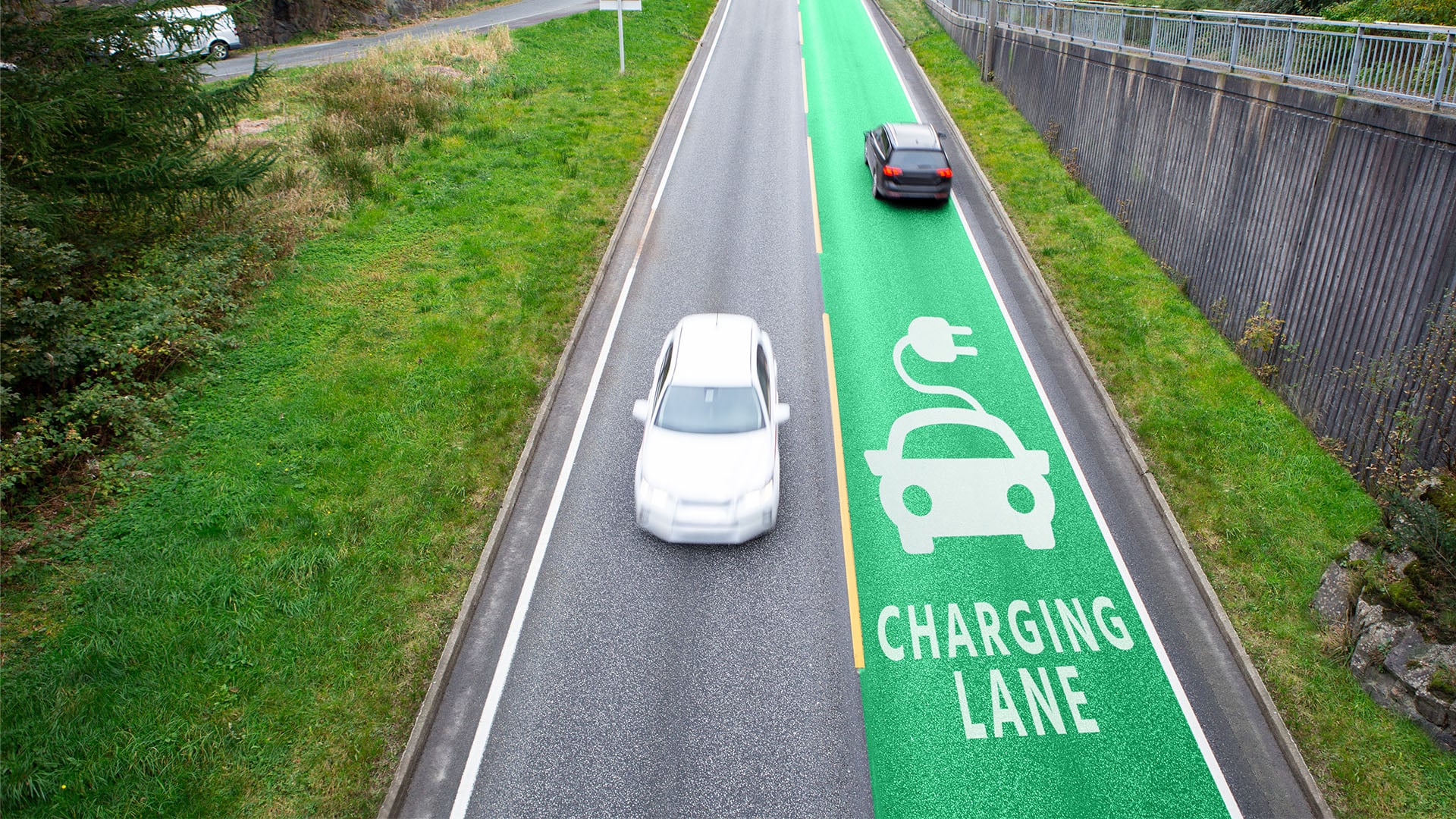


To make roads more durable while addressing the growing plastic pollution crisis, road crews are working with the California Department of Transportation to repave a section of the highway in Northern California using recycled asphalt from thousands of melted plastic bottles.
This is the first time that a road has been paved using 100% recycled materials within a project covering three lanes of Highway 162 east of Oroville in Butte County. Road crews are spreading the material over 1,000 feet, as part of a much larger USD 3.2 million job to repave around 3 miles of the highway.
The California Department of Transportation is recycling old pavement in some highway jobs. Employees use heavy machinery to scrape 3 to 6 inches of the road surface and mix it with a binding agent made of bitumen, a kind of sticky, tar-like substance produced by the oil refining process. However, this new material is only suitable for forming the road base. A new hot mix asphalt should be added from the plant to form the top layer of the road.
The experiment in Oroville involves grinding up only 3 inches of the old pavement and mixing it with a liquid plastic polymer binder mostly made from used plastic bottles, called polyethylene terephthalate (PET), or from plastic used in the manufacturing of soda and water bottles. Paving 1 mile requires around 150,000 plastic bottles. Tests have shown that the new plastic-asphalt placed at the top surface of the road is durable enough to last two to three times as long as traditional asphalt. Since asphalt does not need to be transported, as with the traditional method, it saves truck trips and reduces smoke and greenhouse gas emissions. This process was developed by TechniSoil Industrial, which is based in Redding.
The California Department of Transportation also uses crumb rubber from old tires in some paving jobs. Although plastic-asphalt is used on highways in India, the Netherlands, and other countries around the world, its use in the United States was limited to projects in Los Angeles and San Diego. The plastic-asphalt looks like regular asphalt but emits less steam during construction. Moreover, it requires just a few hours to be transported in vehicles.
Officials in the California Department of Transportation are planning to conduct detailed studies on the plastic-asphalt section of the Oroville road. These studies cost $90,000 to compare everything from cost effectiveness to wear-and-tear with traditional road surfaces. If proven successful, it may soon be used to pave other roads.
This process minimizes environmental damage because it removes plastic bottles from landfills and reduces greenhouse gas emissions and reliance on fossil fuels. In 2017, Californians used over 12 billion plastic bottles according to the public entity CalRecycle, thus further exacerbating the phenomenon of plastic pollution across the state. Millions of pounds of plastic end up every year in landfills, roadsides, and oceans, where it breaks into small pieces that endanger marine life.
Environmentalists are not rushing to adopt this new technology yet. Some have expressed their concerns about the roadway releasing bits of micro-plastic into the environment, something that tests ruled out according to TechniSoil Industrial. Other skeptics say that paving roads may not be the best use for PET plastic.
Around 75% of plastic beverage bottles, also known as plastic #1, are being recycled in California at a higher rate than glass bottles. Accordingly, some environmentalists believe that using these materials in paving may not be their best use. The paving process which uses other types of plastic such as #3, #4 or #5, which have very low rates of recycling, would be a better option. In contrast, these environmentalists think that this experiment will clarify the different types of plastic that can be used.
Los Angeles, which paved 2,300 miles of roads in 2019, is looking forward to implementing this new technology. The city planned to try asphalt during the road paving process in March 2020 by introducing a paved road in front of Disney Concert Hall during a ceremony headed by Mayor Eric Garcetti, but these plans were delayed due to the COVID-19 crisis. The real test is scheduled to begin in October 2020 on a quarter-mile road of downtown L.A, which is an uphill road crowded by buses, thus leading to the rapid degradation of asphalt.