
The COVID-19 pandemic has thrown away, Even after it has subsided, Shadows over the economic and social realities in London, As well as on the habits and behaviors of the population. To understand the new post-pandemic reality, The Greater London Authority has launched a data collection and analysis service. In order to help decision-makers bring life back to key areas.
The COVID-19 pandemic may not have ended, But the eyes of the world have turned far beyond. The challenges that the post-crisis phase will carry will not be easier than the crisis itself. Especially in major cities where governments seek to revive social and economic centers.
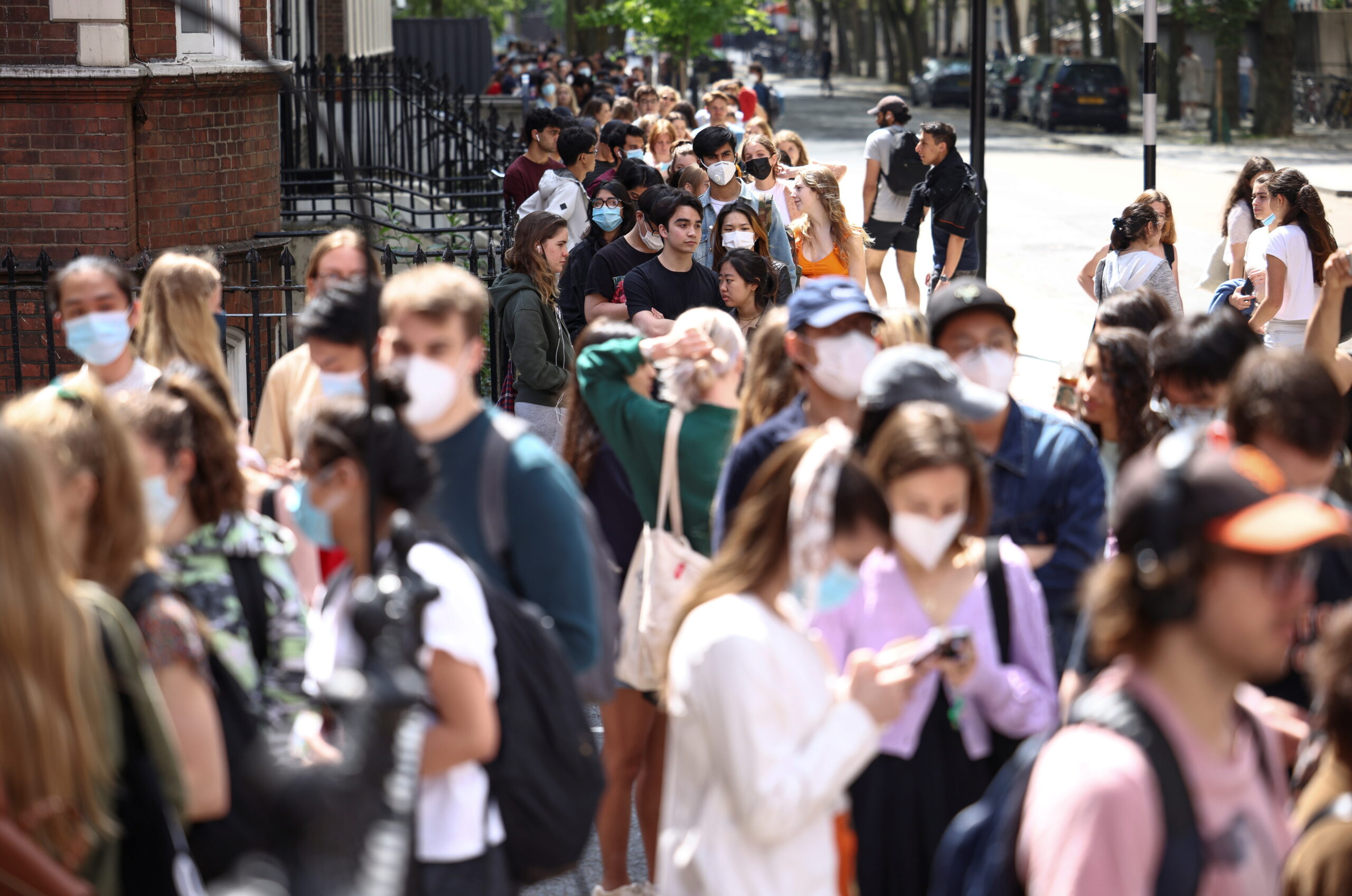
In London, The authorities are trying to renovate these sites and speed up their recovery, This requires understanding the scene on the main streets after the easing of the lockdown. identify areas that have been able or unable to respond quickly, Monitor levels of turnout, movement and spending. Here, Challenges such as functional gaps, severe lack of critical data and lack of transparency of available information emerge. Each administrative region usually negotiates directly with data suppliers or commissions consultants to collect and analyze data and report results. But these steps are expensive and do not provide a comprehensive view of what is happening on the ground.
Therefore, The Greater London Authority sought cooperation, local capacity building and decision-making based on real data. From the City Hall building (the seat of the Mayor of London), The municipality collaborated with local councils in 21 districts to launch a new service called “Big Street Data”.
The service aims to enable the authorities of each borough to access data from 600 of London’s Greater Streets and 200 of its vital points. to analyze them via a tool specifically designed for data exploration, In addition to reviewing them in their initial form for more detailed and responsive analysis.
The London in 24 Hours team purchased traffic data from O2. These data covered key areas of varying sizes, Each has about 10,000 residents, It showed the number of people present in the area within a certain hour, divided into 3 categories, namely the “resident”, Where the location where the individual spent most of the evenings during the last recorded month, is seen as the “worker”, which is determined based on the location where he spent most of his working hours during February 2020, and the “visitor”, It includes people who spend approximately 30 minutes on site. As for expenditure data, It was purchased from the company “MasterCard”, and divide them into the categories of main streets and town centers, It addressed the number of business operations and total spending. Data were also collected on public attitudes and behaviors towards the outbreak of the pandemic. By conducting a survey that asks the same questions every week and monitors the change in general sentiment.
The tool compares data from a specific street, It also compares several statistically similar streets in different parts of London. Its software can automatically identify main streets, Before you draw them graphically to compare the activity of each. The software builds an index for each region with 6 common types of sites, They are retail and entertainment stores, grocery stores, pharmacies, public parks, transport stations, workplaces, and residential complexes.
For example One graph showed spending on retail shopping and dining, on a major road known as Camber Well. The graph compares these rates in the year of the pandemic, and the previous and subsequent years, The data showed a sharp rise in shopping rates in the pre-lockdown phase. This is what happened as a result of panic over the loss of basic materials. Then Spending saw a timid rise ahead of August, Two more slight increases followed before the second and third lockdowns were implemented. Once the lockdown periods end, The data indicate that economic activity recovered quickly on this street, It also showed higher-than-normal spending on retail goods and restaurant meals, This may be related to the increasing trend of working from home, Pre-pandemic, Residents’ shopping footfall rates were low during typical business hours.
Heat maps also show that social life is not yet normal on this street. Visitor turnout remained below average compared to before the pandemic, It peaked on Thursday afternoon.
This street offers an excellent model, The intensity of movement in it is close between the different hours of the day, as well as between weekdays, Activity peaks on Saturday, It is similar to many of London’s major streets.
To avoid any privacy challenges, The authorities relied on comprehensive and anonymized data that did not allow individuals or companies to be tracked or identified. The service uses a system that counts people present from CCTV footage. It used the data of the transport ticketing system to get a general picture of the levels of turnout and their change. It also ensured that this data was not open, Access to them is limited to stakeholders and partners in the Greater London Authority.
Because the data exploration tool was designed in-house without external expertise, It will require constant follow-up of modifications and updates that the team will explore after a better understanding of users’ needs.
London authorities have been able to collect more comprehensive and less expensive data, build an effective tool for analysis by non-specialists, Allow for collaboration and sharing of visions and ideas among city actors, Provide local officials with reports that can be built upon to make decisions.
In the long run, The project aims to build capacity further and enhance trust and reliance on data in local government.
References:
https://smartlondon.medium.com/londons-new-high-streets-data-partnership-6fe6a22db9d